Selling a house when the market is hot is easy. List it Friday morning, host an open house Saturday, pick from five offers Sunday afternoon. Most of us still remember those years — and a lot of homeowners are still mentally pricing their houses like we're in them.
We're not. The market shifted. Inventory is up. Buyers have options. Homes are sitting longer. Sellers are getting realistic — or being forced to. The bidding wars and waived inspections of 2021 and 2022 aren't coming back any time soon.
Here's the thing nobody wants to say out loud: that's actually fine. A balanced or buyer-leaning market is what a healthy market looks like, historically. Houses sell. People move. Life keeps moving forward. It just looks different than the frenzy era — and the sellers who win in this kind of market are the ones who stop fighting the new reality and start playing it well.
So if you're thinking about selling — soon, or in the next year — let's dig in. Because there's a way to sell strong even when buyers have leverage. It just takes strategy, honesty, and a real plan.
The First Mistake: Pricing for the Market That Doesn't Exist Anymore
This is the single biggest mistake we see. And it costs sellers more money than any other decision they make.
A homeowner sees what their neighbor sold for in 2022. They look at the high-water mark for their zip code. They check Zillow's Zestimate, which is still trailing the peak. And they decide that's their number.
Then they list. And they sit. And they sit. And then six weeks later, they cut the price. Then eight weeks later, they cut it again. Then twelve weeks in, they finally accept an offer that's below where they would've gotten if they'd just priced it right at the start.
Here's the math nobody likes: a house that sits gets stigmatized. Buyers see the days-on-market count and assume something's wrong with the home. Agents stop showing it. The price cuts that follow look reactive instead of strategic. And the eventual sale price is almost always worse than what an aggressive, accurate price would've delivered week one.
In a hot market, you can list high and let the market come up to meet you. In a buyer's market, that strategy actively burns money. The first two weeks of listing are by far the most valuable — that's when your house is fresh, when agents are excited to show it, when buyers haven't seen it three times already. Pricing right out of the gate captures that energy. Pricing wrong wastes it.
The price you got mentally attached to last year is gone. The number that matters now is what your house is worth this week, in this market. Not what an algorithm guesses. Not what your neighbor got. Not what your appraisal said two years ago.
What Your Home Is Actually Worth Right Now
A real local agent will tell you. Not roughly. Specifically.
When we run a CMA in a shifting market, we're not just looking at what closed three months ago. Three months ago might as well be a different market. We're looking at what's under contract right now. We're looking at what's actually selling versus what's sitting. We're looking at the days-on-market trend in your specific neighborhood. We're looking at price-cut rates in your zip. We're looking at which of the recent comps had concessions baked into the sale price (those rate buy-downs and closing cost credits don't always show up in the public number).
That's the only way to land on a real, defendable price in this kind of market. You can't price a 2026 home using 2022 comps and expect 2022 results.
The good news: getting that real number is free. We do it for sellers all the time. No obligation, no pressure. Just an honest answer to the most important question you're going to face.
Presentation Matters More Than Ever
In a frenzy market, presentation barely mattered. Buyers were waiving inspections — they didn't care that the carpet was worn. Listing photos taken with a phone in dim light still got 12 offers. People were buying houses sight unseen.
That's over. In a buyer's market, presentation matters more than it has in a decade. Because buyers have options. They can scroll past your house and look at five others. They can be picky. They can decide your house "doesn't show well" and never even tour it.
Which means your job as a seller is to make your home a clear, easy yes. Not a maybe. A yes.
That breaks down into a few specific things:
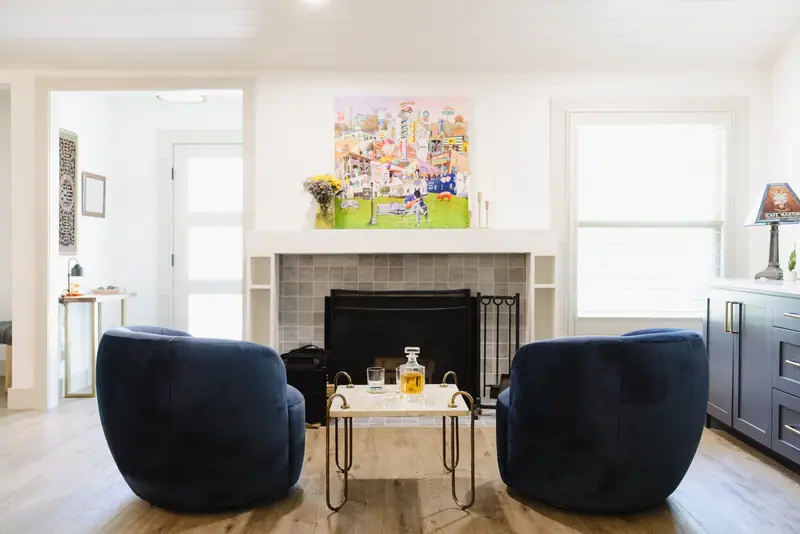
Photos that actually capture the home. Not iPhone shots. Not cluttered angles. Real listing photography from a pro who knows how to shoot real estate, with proper light, clean staging, and editing that makes the house look like the best version of itself. The photos are the listing. If they don't pop, the showings don't happen.
Staging — even partial. A fully empty house photographs cold and feels smaller than it is. A house with the wrong furniture for the space photographs cluttered. Real staging — even just a few key rooms — transforms how buyers experience the home. It costs money. It pays back faster than almost any other investment.
Small updates with big visual impact. Fresh paint in the right colors. New cabinet hardware. A modern light fixture in the entry. A power-washed driveway. A clean, simple front door look. These are the things that don't cost much but make a buyer think "this is move-in ready" instead of "this is a project."
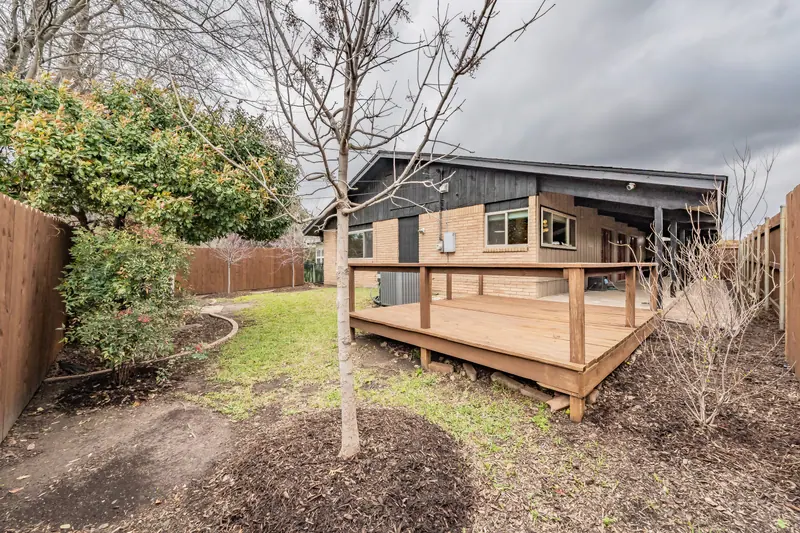
Curb appeal, period. Mulch, trimmed bushes, fresh flowers, a clean walkway. The drive-up moment is when most buyers are forming their first impression. If they pull up to a neglected exterior, they walk in already skeptical. If they pull up to something that looks loved, they walk in already half-sold.
None of this is glamorous. All of it works.
The Updates That Actually Pay Back
This is the question every seller asks, and it's a great one: what updates should I do before I list?
The honest answer depends on the house, the price point, the buyer pool, and the comps. There's no universal list. But here are the moves that pay back most consistently:
Paint. Walls, trim, sometimes ceilings. Fresh paint in light, modern, neutral tones is one of the highest-ROI things you can do before a listing. It's cheap. It transforms the way photos render. Buyers walk in and feel like the house was just refreshed.