
Cost-plus, explained
What is a cost-plus contract?
A cost-plus contract means you pay what the work actually costs, plus a fee to the builder that the contract spells out.
Or call or text (817) 631-9803
From AIA Contract Documents, the American Institute of Architects’ contract publisher, read November 27, 2026.

Or call or text (817) 631-9803
From AIA Contract Documents, the American Institute of Architects’ contract publisher, read November 27, 2026.
The definition
What a cost-plus contract means in construction
A cost-plus contract is a way to pay a builder. You pay the cost of the work as it happens, and you pay the builder a fee on top of it. The contract says what counts as cost and how the fee is set. You’ll also hear it called cost plus a fee, or the cost of the work plus a fee.
What counts as cost
- Labor
- Materials
- Equipment
- The job site’s temporary setup
- Anything else the contract lists
The owner pays you for the costs required to perform the work, including labor, materials, equipment, temporary facilities, and other items specified in the agreement. You also receive a fee, which can be a lump sum, a percentage of the cost of the work, or determined in another way.
AIA Contract Documents, “5 Construction Contract Payment Methods” · read November 27, 2026
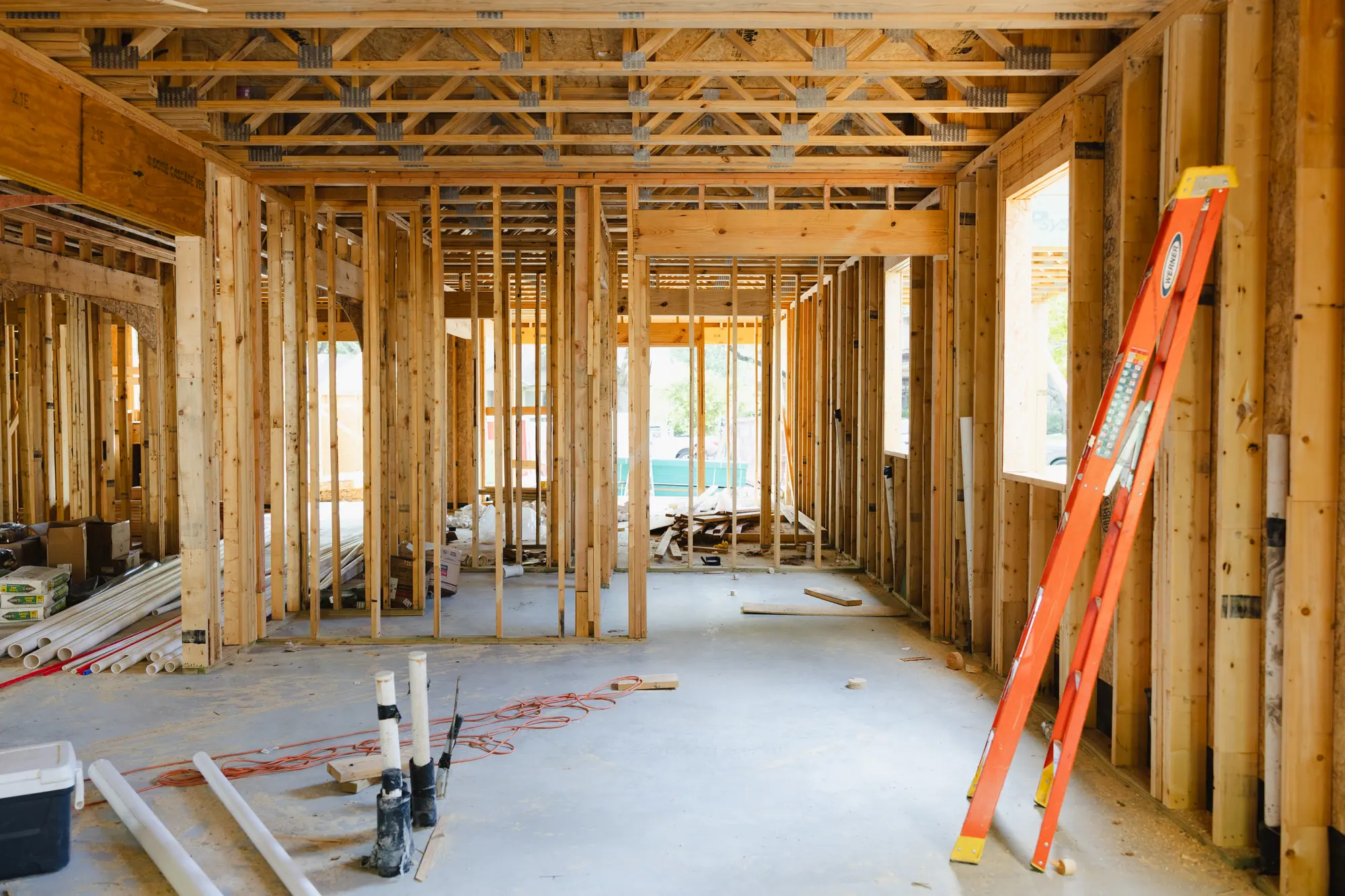
So the price isn’t settled before the work starts. What you pay is what the job turns out to cost, plus the fee. That’s why what the contract counts as cost matters so much.
The comparison
Cost-plus vs. fixed price
The difference is who pays if the work costs more than planned. In a fixed-price contract, the builder agrees to do the job for one amount, so the builder carries that risk. In a cost-plus contract, you pay what the work costs, so you carry it, and in return you get to see the costs. A fixed price is also called a lump sum or a stipulated sum.
| What it covers | Fixed price | Cost-plus | Cost-plus with a cap |
|---|---|---|---|
| Set before work starts | One amount for the whole job | What counts as cost, and the fee | What counts as cost, the fee, and a maximum price |
| Who pays if it costs more | The builder | You | You, up to the cap. The builder, above it |
| What you get to see | The price | The costs, and usually the records behind them | The costs, and usually the records behind them |
| How the price changes | By a change order, on the terms the contract sets | As the costs come in | As the costs come in, up to the cap. The cap moves only by the additions or deductions the contract allows |
There’s no general answer to which one costs less. Either way, the total comes from the scope, the finishes and what the walls turn up once they’re open.
The fee
Cost plus a percentage, a fixed fee or a maximum price
Every cost-plus contract adds a fee to the cost. The fee can be a set amount or a percentage of the cost, and the contract can add a maximum price on top. Here’s what each means for you.
-
Cost plus a percentage
The fee is a share of the cost of the work. If the cost goes up, the fee goes up with it.
-
Cost plus a fixed fee
The fee is one amount, agreed before the work starts. The cost can move; the fee doesn’t, unless the contract says it can.
-
Cost plus a fee, with a guaranteed maximum price
The total has a ceiling, called a GMP. Below it you pay the cost and the fee. Above it, the builder pays, except for the changes the contract allows.
The American Institute of Architects publishes standard versions: A102 for cost plus a fee with a guaranteed maximum price, A103 for cost plus a fee without one, and A101 for a fixed price.
Before you sign
What to ask before you sign a cost-plus contract
A cost-plus contract is only as clear as what it counts as cost. Five questions cover the money.
- 01
What counts as cost, and what doesn’t?
- 02
How is the fee figured: a set amount, a percentage, or something else?
- 03
Is there a maximum price, and what can move it?
- 04
Will I see the invoices and receipts, and how often?
- 05
What estimate do I get before the work starts, and when does it get updated?
Our billing
Cost Plus at 6th Ave Homes
We bill Cost Plus: the real cost, plus one markup you can see. That means materials and labor at what they really cost, plus a transparent markup.
-
A designer and a builder walk your house with you and give you an estimate, at no charge.
-
After the design, you get a detailed budget.
-
The build is billed at cost, plus our one markup. Open receipts: you see what we paid.
Questions
Questions about cost-plus contracts
Weighing a cost-plus contract? Bring it, or these questions, to us.
Is a cost-plus contract more expensive than a fixed price?
There’s no general answer, and we found no study of houses that settles it. The two split the risk differently: with a fixed price the builder carries the risk of the work costing more, and with cost-plus you do. The total comes from the job itself. Who you hire is a separate choice from how you pay; start with who to hire first.
Can a cost-plus project go over budget?
Yes. The estimate is an estimate, and you pay what the work costs. A maximum price in the contract limits that: above the cap, the builder pays, except for changes the contract allows. Without one, what keeps the total in line is a clear scope, a detailed budget and seeing the costs as they come in.
What is a guaranteed maximum price?
It’s a ceiling written into a cost-plus contract, often called a GMP. You pay the cost and the fee up to that amount, and the builder pays anything over it, apart from additions or deductions the contract provides for. Many GMP contracts also say how savings get shared if the job comes in under.
What’s the difference between time and materials and cost-plus?
They work the same way: you pay for labor and materials, plus a fee for the builder’s overhead and profit. The difference is where each gets used. Time and materials is mostly used for small jobs, or when the scope is hard to pin down. Cost-plus is used most for larger, more complex projects.
Is cost-plus the same as design-build?
No. Cost-plus is how you pay. Design-build is who you hire: one company for the design and the build. A design-build contract can be cost-plus or a fixed price. Here’s what design-build means.
Can a fixed price change once you sign?
Yes. A fixed-price contract sets the conditions under which the price can change, and each change is written up as a change order. Adding to the scope, or finding something nobody could see before, is the usual reason.
Does 6th Ave Homes give a fixed price?
No. We bill Cost Plus. After we walk the house you get an estimate, and when the design is done you get a detailed budget, so you plan around a real budget and see what we paid as the work goes.
The definitions on this page are quoted or summarized from AIA Contract Documents, read November 27, 2026. This explains the terms. It isn’t legal advice about your contract.
Best Home Builder & Remodeler
Fort Worth MagazineFort Worth Chamber Small Business of the Year4.7 stars from 91 Google reviews as of September 2026
Your project
Talk through how your project would be billed
Bring a wish list or plans you already have, and start with an honest estimate. No charge, no obligation.
Or call or text (817) 631-9803