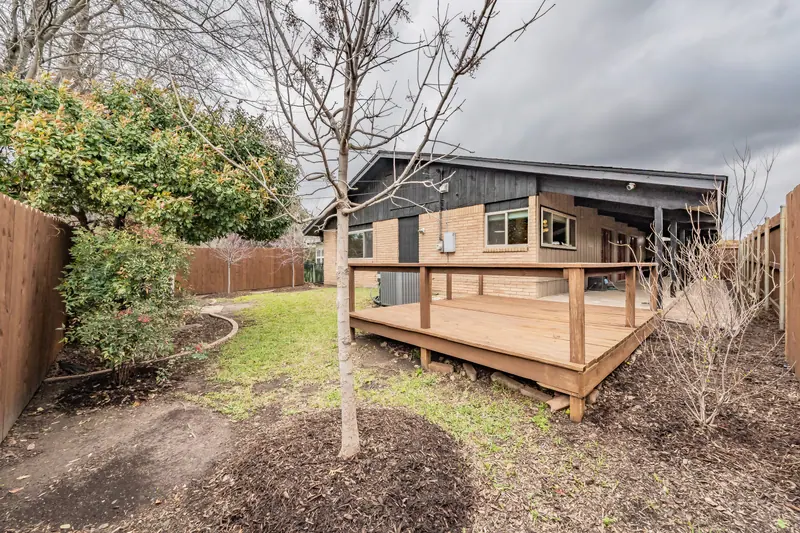
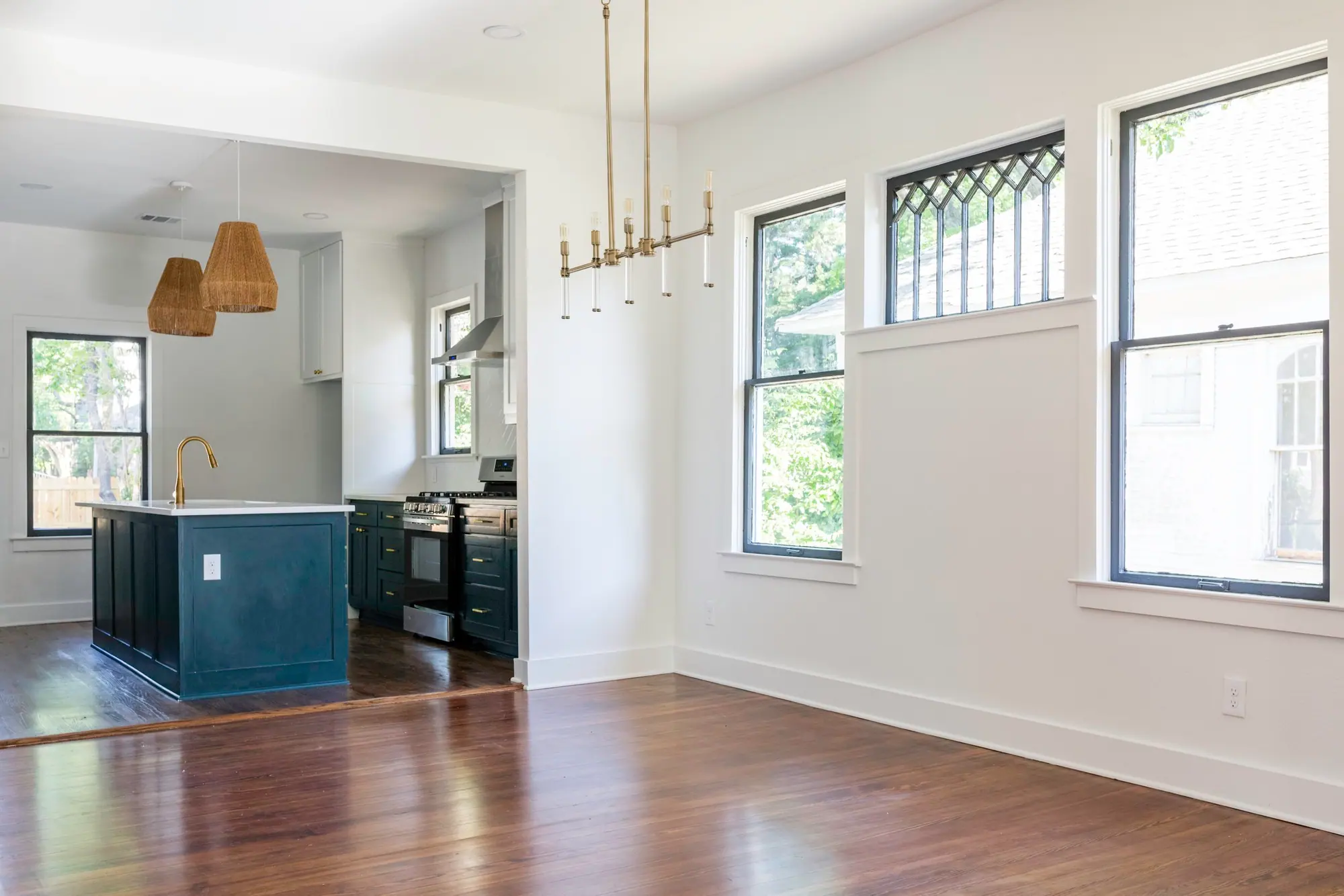
If you tour ten houses this summer in Fort Worth, you're going to walk into roughly five distinct archetypes. The neighborhoods are different. The price points are different. The square footage is different. But the kinds of houses you're seeing fall into a remarkably small number of categories. Once you can spot the archetype, you can read the house in about ninety seconds and know whether it deserves a second tour, a renovation conversation, or a polite pass.
This is our affectionate, slightly tongue-in-cheek typology of the five Fort Worth houses you will absolutely encounter this summer — and the construction or renovation conversation each one quietly invites. Consider this a translation guide.
House #1: The Over-Flipped Gray Box
You'll know it the moment you walk in. Gray luxury vinyl plank flooring throughout. Walls painted in the exact same builder's gray. Brand-new white cabinets with the cheapest hardware available. White subway tile in the kitchen and every bathroom. The countertops are entry-level quartz with the bargain veining pattern. A single light fixture per room that came from a big-box store. A fresh coat of exterior paint in greige. No landscaping to speak of.
What it's telling you: an investor bought it cheap, did the bare-minimum cosmetic work in eight weeks, and listed it at full retail expecting you not to look too hard.
What you'll find when you do look hard: the original HVAC. The original plumbing. The original electrical panel. The crooked exterior siding that they painted over without addressing. The window frames that are still rotting underneath the fresh paint. The roof that has another two years in it. The foundation that hasn't been touched.
What we'd actually do with it: if the price reflects the surface-only nature of the work, this house can be a fine buy. If the price assumes the work is real, walk. Either way, plan for $40K to $80K of "actual" renovation in the first three years to bring the bones up to the cosmetic level. We've redone an embarrassing number of over-flipped Fort Worth houses for clients who bought them at full price and discovered the truth in October when the heater wouldn't start.
House #2: The Time Capsule
A 1950s or 1960s ranch where the original owners lived for fifty years and then their children sold it. The wallpaper is still up. The kitchen has the original cabinets in some heroic shade of avocado. The bathrooms have the pink tile. The carpet is from 1987 and you cannot bring yourself to walk on it in your good socks. There's wood paneling. So much wood paneling.
What it's telling you: the house has been loved, maintained, and lived in for decades. Probably nothing has been done to it in twenty years.
What's almost always good about it: the bones. These houses are framed properly, have real hardwood floors under the carpet, often have plaster walls (which are wonderful), and were built before the cost-cutting era of residential construction. The original kitchen is dated but the cabinets are often solid wood. The lot is usually big. The trees are mature.
What's almost always not great: the systems. Original electrical (probably needs a panel upgrade and likely partial re-wire). Original plumbing (often galvanized, often needs repipe). Original HVAC (which is now ductwork from 1967 plus a unit from 2009). Single-pane windows. Minimal or no insulation.
What we'd actually do with it: this is the right house for a real renovation. You're buying the bones and the lot. Plan to spend roughly $100K to $250K to bring it up to a beautifully renovated 2026 standard, depending on size and scope. The end result, almost always, is one of the best houses on the block. We do this kind of project regularly and it's some of our favorite work.
House #3: The Half-Renovated In-Between
The kitchen is brand new. The primary bath has been redone. But the secondary bedrooms still have the original 1990s carpet, the secondary bathroom still has the brown tile, and the laundry room hasn't been touched since the Reagan administration. The garage is in the original condition. The yard is unfinished. Someone clearly started a renovation, ran out of money or energy or both, and listed the house.
What it's telling you: the seller hopes you'll value the new kitchen at full price and not ask too many questions about the old laundry room.
What you actually have to decide: does the "new" work match the level of finish you'd want in the rest of the house? Often the answer is no. The kitchen is fine, but it's two tiers below what you'd pick. Now you're either living with someone else's choices or budgeting to redo the work that was just done. Neither is ideal.
What we'd actually do with it: this is the trickiest archetype to price correctly. The renovated portions deserve some premium but not full premium, because you may end up redoing parts of them anyway. The unfinished portions are full renovation cost on top of the purchase price. If you can negotiate the price down meaningfully to reflect the unfinished work, this can be a great buy. If the seller is anchored to "but the kitchen is new!" pricing, pass.