Fort Worth Real Estate Secrets: What Local Agents Look For
6 min read
Ceiling heights, drain lines, dated finishes, game-day traffic and where the rain goes. What our agents look for in six Fort Worth neighborhoods, and the questions to ask before you make an offer.
A 1950s ranch in Tanglewood and a 1920s bungalow in Arlington Heights can both look great in the listing photos and still call for completely different questions at the showing. Every neighborhood here was built in a different era, by different builders, on different ground. That shapes what you’ll find once you walk through the front door.
A house that looks perfect online can still have a few things worth a closer look in person. None of this is a reason to skip a neighborhood. It’s a reason to ask better questions. Here’s what our agents look for in six places around town.
Tanglewood: Look Up Before You Fall for the Floor Plan
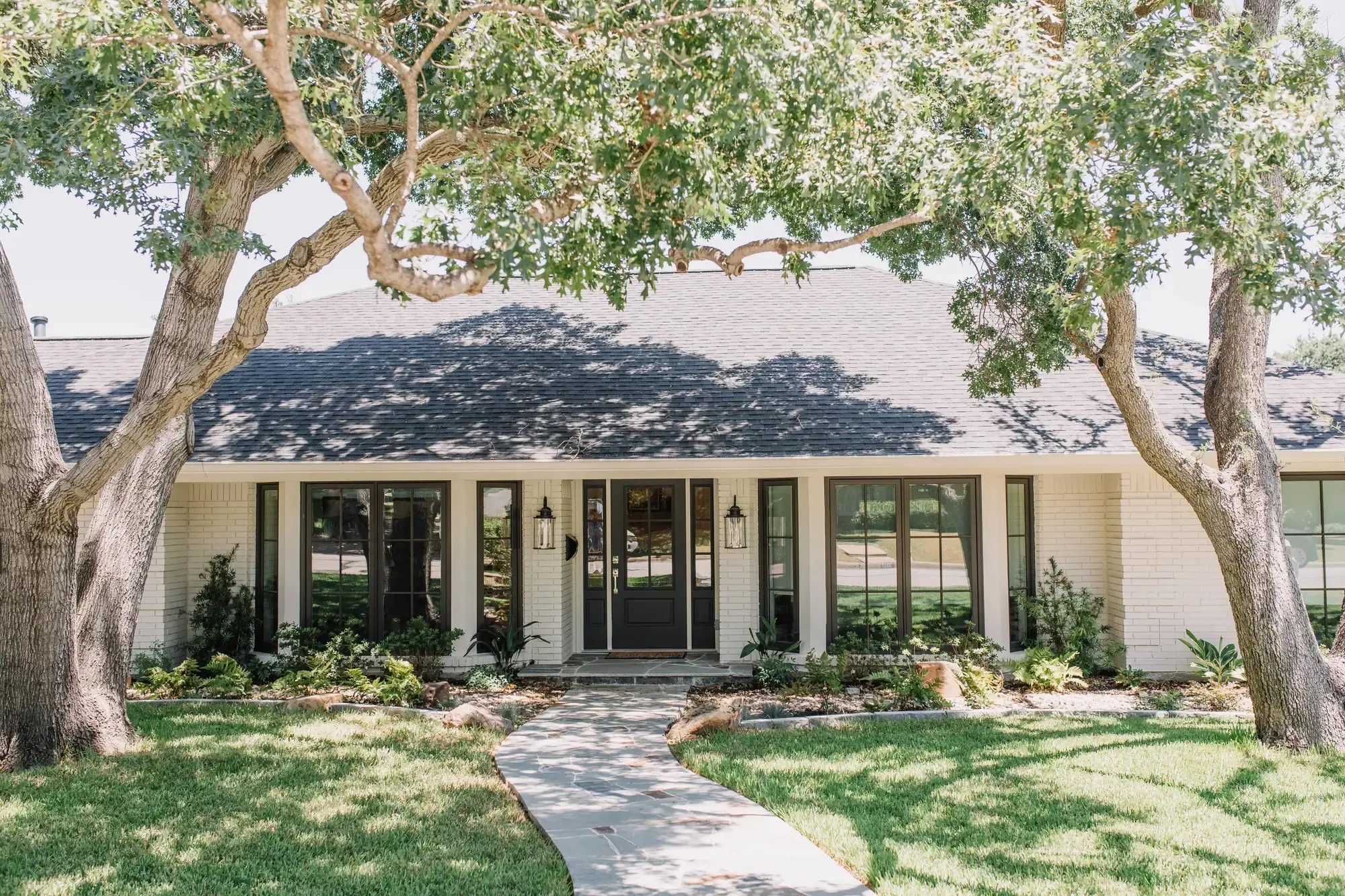
Tanglewood was built from 1956 on, and many of its original houses are mid-century ranches under big trees. One thing to check here is ceiling height.
Some original houses have lower ceilings than buyers expect, though not every Tanglewood house does, and plenty have been rebuilt. But if you’re picturing a big open floor plan or a vaulted living room, look up during the showing. Ceiling height and which walls hold up the roof decide how far a remodel can go. Paint and flooring are easy to change. Structure is not. Our page on removing a load-bearing wall explains why, and our Tanglewood neighborhood guide covers the rest of the area.
Ridglea: What’s Under the House Matters
Ridglea is really a few neighborhoods. Most houses in Ridglea Hills went up in the 1950s and 1960s, many of them on slab foundations, and the hills mean some sit on stepped or split-level foundations. Ridglea North is mostly 1940s bungalows.
In a house from that era, the parts you can’t see deserve as much attention as the parts you can:
The foundation. Doors that won’t latch, cracks over doorways and sloping floors are worth a foundation inspection, which tells you whether it’s normal movement or something that needs work.
The drain lines. Some houses from the 1940s through the 1960s still have original cast iron drain lines. Many are fine. Some aren’t. A sewer scope, where a camera goes down the line, is a small cost next to the price of a house.
That’s true of most Fort Worth houses that age, and plenty have already been updated. Our post on buying an old Fort Worth house goes deeper on reading an inspection report.
Mira Vista: Look Past the Finishes
Remember when everything was brown? Mira Vista’s houses went up from the late 1990s into the 2000s, and some still wear it: dark wood cabinets, tan walls, busy granite, bronze fixtures and plenty of beige tile.
Finishes can change. A good layout is harder to find. Many Mira Vista houses are well built on generous lots, so a dated kitchen with the right bones can be a better buy than a freshly painted house with a floor plan that doesn’t work. If the rooms are where you want them, the rest is cosmetic, and cosmetic work costs far less than moving walls. Not every Mira Vista house looks like 2003, either. More in our Mira Vista guide.
Age tells you what to check, not what you’ll find.
Around TCU: Character, and a Game-Day Schedule
The neighborhoods around TCU don’t all look alike. Older streets like Berkeley Place have Colonial, Tudor and Spanish-style houses from the 1920s and 1930s. Westcliff is mostly postwar brick, built between 1945 and 1965.
Living near a major university has its own rhythm. On football game days, expect more traffic, more people walking and tighter parking on some nearby streets. How much depends on the block, so check the football schedule and drive by on a home game day.
One more local detail: every single-family lot in Westcliff sits inside the city’s TCU Residential overlay, which limits how many unrelated people can live in one house. If you’re thinking about renting the house out later, ask about it early.
Arlington Heights: Watch Where the Water Goes
Arlington Heights was mostly built in the 1920s, and nearly six in ten of its houses went up before 1940. On streets that old, decades of new driveways, additions and landscaping can change where rainwater goes. Whether that’s an issue is a question about one property, not the whole neighborhood.
So ask about water at any house you’re serious about:
Read the seller’s disclosure closely. The Texas form asks about past flooding and water damage.
Check that the ground slopes away from the house, and visit after a hard rain if you can.
Fairmount’s houses are mostly bungalows and Foursquares built between about 1905 and 1930, and that age is a big part of the charm. It also comes with a few quirks: original wood windows, small cracks in the plaster, and doors that stick when the seasons change and the clay soil underneath moves.
Most of that is normal for a 100-year-old house and not a dealbreaker. Some is simple maintenance, and some deserves a closer look from an inspector or foundation specialist. The point is to know which is which before you buy. Clay soil is a big part of why so many Fort Worth houses move with the seasons, and we cover it in building on clay soil in Fort Worth.
Fairmount is also a city historic district, so most changes to the outside of a house need city approval first. If you’re planning new windows, an addition or a new porch, read our guide to Fort Worth historic district rules while you’re still deciding.
Before You Make an Offer on a Fort Worth House
Wherever you’re looking, a few steps help you buy with your eyes open:
Read every page of the seller’s disclosure, and ask what has been repaired or renovated, when, and whether permits were pulled.
Get a full inspection, plus a foundation, sewer or roof specialist when the house calls for it.
Check drainage and flood history for that specific address.
If you plan to renovate, find out what the house and the lot will allow before you count on it.
Visit the street at different times, and work with an agent who knows the neighborhood.
Frequently Asked Questions
Why does the neighborhood change what I should check on a Fort Worth house?
Because each one was built in a different era, on different ground. A 1920s house in Arlington Heights, a 1950s ranch in Tanglewood and a 2000s house in Mira Vista call for different questions. The house in front of you still decides, so get a full inspection either way, with a specialist where the inspector recommends one.
Should I get a sewer scope on an older Fort Worth house?
On a house from the 1940s through the 1960s, it’s worth it. Some still have original cast iron drain lines. Many are fine and some aren’t, and a camera down the line tells you which before you buy.
Do all older Fort Worth homes have foundation or plumbing problems?
No. Many have been well maintained or already updated. Age tells you what to check, not what you’ll find. An inspection and a sewer scope tell you about the house in front of you.
How can I check whether a Fort Worth home has flooded before?
Read the seller’s disclosure, look up the address on the city’s flood risk viewer and FEMA’s flood maps, ask about past insurance claims, and have your inspector look for signs of water damage.
Buying With a Team That Also Builds
Our agents know these neighborhoods, and because our design and construction teams work under the same roof, we can help you think through what a house could become, not just what it is today.