It's a Saturday evening in early June. You've had a long week. You poured a drink, walked out to the back patio, sat down for about ninety seconds, and got bitten three times before you even got the ice to settle in the glass. By the time you swat the fourth one and stand up, you've already given up on the patio for the night. You go back inside.
If that's your story, you are not alone. We hear some version of it from clients every single June. And here's the part that frustrates people: they've already spent money trying to fix it. The citronella torches. The plug-ins. The mosquito-repelling plants from the nursery. The bug zapper from the hardware store. The yard spray service that costs $89 a month. And the mosquitoes are still winning.
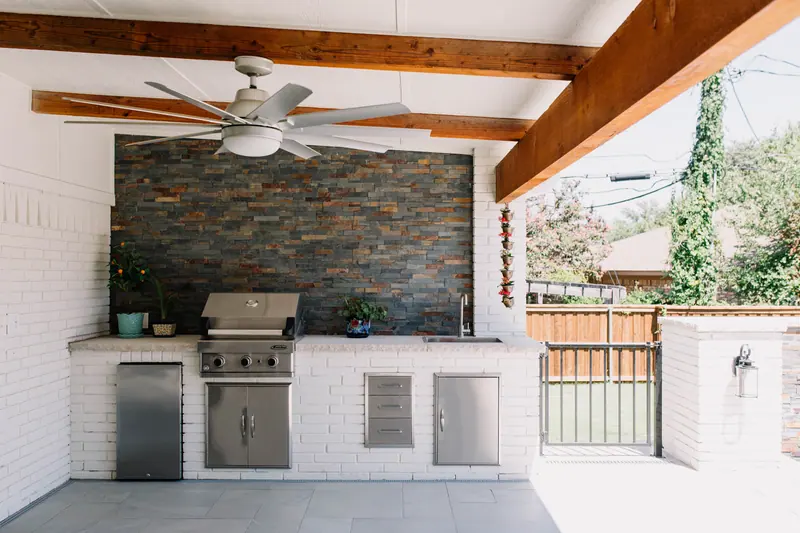
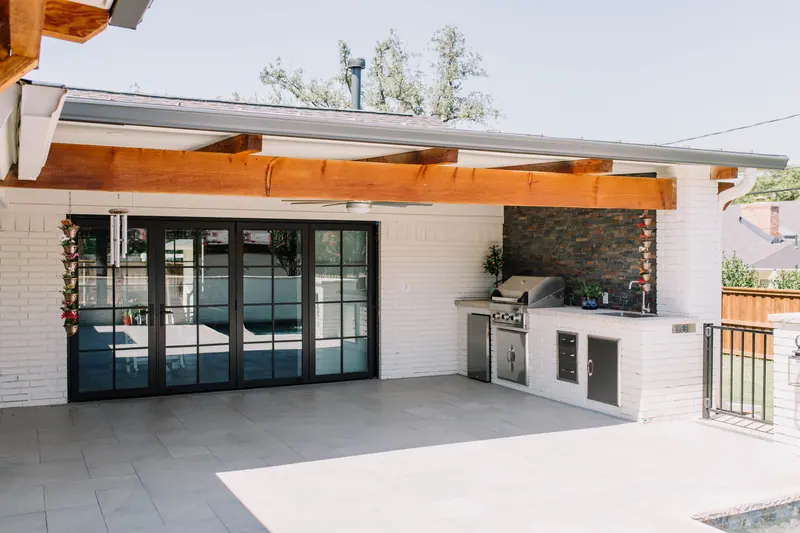
We're not a pest control company. But we are the people who design backyards, screened porches, drainage systems, lighting, and patio covers — and almost every meaningful, long-term mosquito fix is a construction-side fix, not a chemistry-side fix. Here's the actual math on what works in a Fort Worth backyard, what doesn't, and what to do about it.
The First Thing to Understand: There Are Two Mosquitoes, and They Have Different Schedules
Most people think of mosquitoes as one thing. They are not. In Fort Worth, you're mostly dealing with two species, and they have very different habits.
The Aedes mosquitoes — the daytime biters, including the tiger mosquitoes you see with the white-striped legs — are aggressive, fast, and out during the day. They prefer to bite ankles and lower legs. They breed in tiny pockets of water — a bottle cap, a saucer under a plant, a folded tarp with a puddle in it.
The Culex mosquitoes are the ones that ruin your evenings. They come out at dusk, they're the primary carrier of West Nile virus in our area, and they breed in standing water like clogged gutters, decorative ponds without circulation, low spots in the yard that hold water for more than a few days, and untreated pool covers.
Tarrant County actively traps and tests Culex mosquitoes for West Nile every season. By early June, we're already in active surveillance season, and most years we've had at least one positive trap by Memorial Day weekend. This isn't paranoia. It's a real, measurable, local public health issue that the county takes seriously and you should too.
Why Most of What You're Doing Doesn't Work
Let's go through the consumer-grade fixes that homeowners try first, because they're almost universally a waste of money.
The citronella torches and candles produce a small zone of partial repellence — maybe two feet of effective coverage in still air. If there's any breeze at all, the effective range collapses to inches. They smell nice. They do almost nothing.
The "mosquito-repelling plants" — citronella, lavender, marigold, lemongrass — release small amounts of compounds that, in laboratory conditions, demonstrate some mosquito-deterrent properties. In a real backyard, they release approximately zero useful concentration of those compounds unless you crush the leaves directly onto your skin. The plant in the pot is not creating a force field.
The bug zappers — the blue-light electric ones — are some of the worst-performing products in this entire category. Multiple university entomology studies have shown that bug zappers kill a huge volume of beneficial insects (moths, beetles, lacewings) and almost no mosquitoes. Mosquitoes are not significantly attracted to UV light. They're attracted to carbon dioxide and body heat. A bug zapper near your patio is, if anything, attracting more biting insects to the area where you're sitting.
The yard sprays do work — for a window. A pyrethroid-based barrier spray will knock down adult mosquitoes in treated zones for two to four weeks, depending on rainfall. The catch is that they don't address the breeding source, they kill pollinators along the way, and they wash off in the first heavy rain. They're a tool, not a solution.
The Construction-Side Fixes That Actually Work
Here's where we shift from "things that don't work" to "things we actually install for clients and watch transform their backyards."
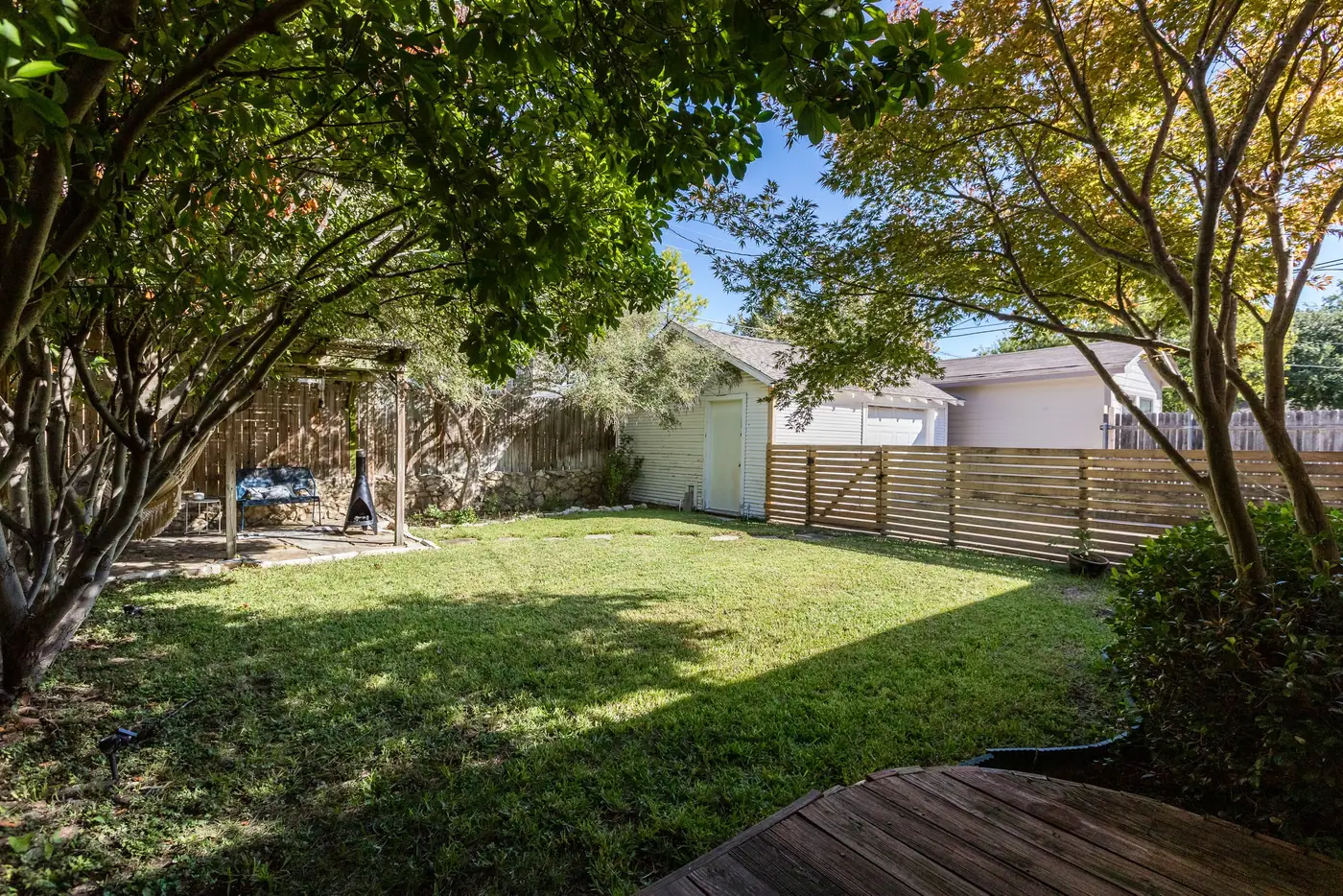
Fix #1: Drainage. This is the single biggest thing nobody talks about. If your yard holds water for more than three or four days after a rain — in low spots, in poorly-graded beds, around the foundation, in clogged gutter downspouts — you are running a mosquito nursery. The single most effective thing we do for a "mosquito problem" yard is to regrade, add French drains, redirect downspouts, and eliminate the standing-water pockets. This is not glamorous work. It's almost always under $5,000. And it removes mosquitoes from the equation more effectively than anything else on this list.