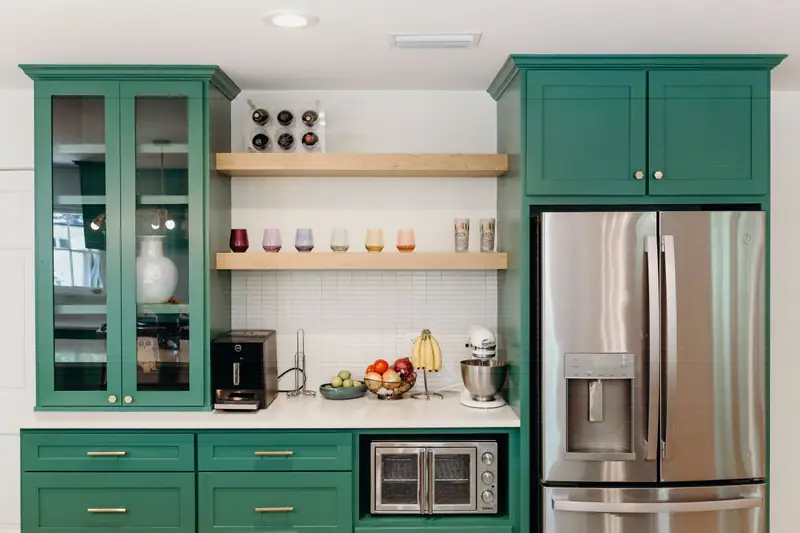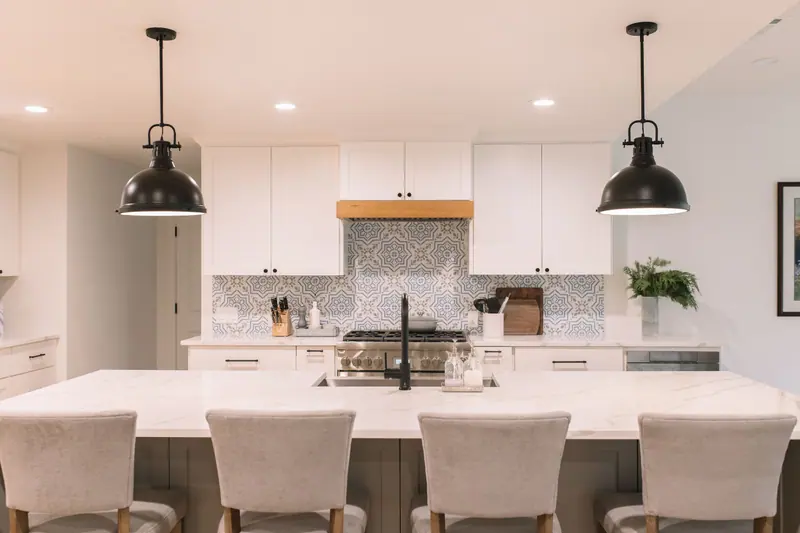
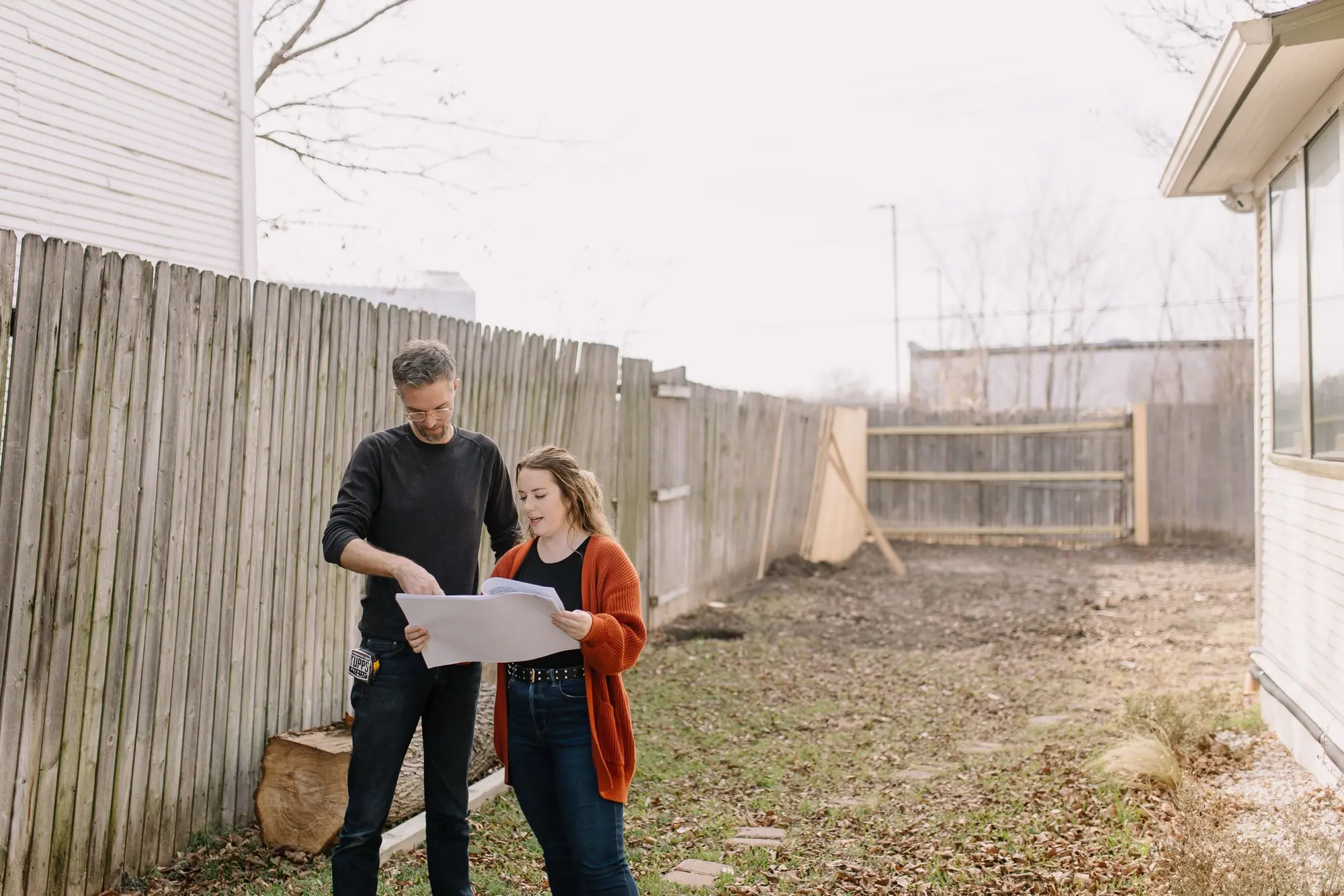
We love our clients. We genuinely do. Some of our favorite people in Fort Worth are people we met because they were tearing into a kitchen and needed help. But there are certain phrases that, said mid-renovation, make the builder take a quiet sip of coffee, make the designer look across the room, and add a new line to the budget.
This list is mostly for fun, but it’s also a look at how renovations work. Every phrase here tells you something about how to be a good renovation client. Ranked from “we’ll work it out” to “we need a real conversation.”
Tier One: We’ll Work It Out
“Can we just move the outlet an inch?” Cheap before the drywall goes up, more after. Almost always a fine ask.
“What if the island was just a touch bigger?” Depends on “a touch.” Two inches, fine. Six inches, the cabinet order changes, and if the island holds a sink, the plumbing under it moves too. Worth asking, almost always worth doing if it’s the right call.
“Could we add one more pendant over the island?” A small electrical change and one more fixture. Easy ask, especially before the ceiling is closed up.
Tier Two: Coffee Sip Required
“We saw something on Pinterest.” Harmless phrase, risky outcome. We support Pinterest. Inspiration is great. The trouble is that Pinterest kitchens are styled photographs, not built environments. The “no upper cabinet” look from Pinterest means your dishes live in a drawer or on the counter. The “all open shelving” look means you alphabetize your spices. Both are fine if you actually want to live that way. Plenty of homeowners find out they don’t once the kitchen is in daily use.
“What if we exposed the brick?” A great instinct in the right house. The catch is that you won’t know what the brick looks like until the drywall comes off. It may be patched, dirty or half-painted. You either embrace the rough look (which can be lovely) or pay for a real cleaning and repointing job, and that belongs in the budget from the start. Either way: doable. Just plan for it.
“While you’re in there, can we...?” The phrase itself is fine. Sometimes it makes perfect sense to add work while a wall is open. “While you’re in there” can mean a small change or a big one. The trouble is when six of them stack up and the budget grows well past the number you planned.
Tier Three: The Builder Takes a Walk Outside
“Actually, can we move the wall?” This is the phrase that can turn a finish job into a structural one. Moving a wall can mean engineering, permits, new framing, rerouted electrical and plumbing, and changes to flooring and ceiling work that was already planned. Asked during design, it is a change to the drawings. Asked during demolition, it can often still be done, with a change to the budget. Asked after the drywall is up, finished work comes back out.
“Our friend is an architect / designer / contractor and they said...” We welcome other professional input. We do. The hard version of this phrase is when the third-party advice arrives late in the project and contradicts the plan everyone is already building to. Now we have to evaluate the new input, communicate it to the trades, possibly redo work, and maybe move the timeline. The right move with this phrase is to invite the friend to the design phase, not the construction phase.
“We thought we’d just do that part ourselves.” Sometimes this works beautifully. Painting is a great DIY project. Hanging your own art is a great DIY project. The “I’ll just tile the backsplash myself to save money” version is where things get expensive, because we now have to wait on you to finish your part of the project, your tile work has to match the rest of the kitchen’s level of finish, and if it doesn’t, it comes out and gets redone, and that cost is yours.
Tier Four: The Sit-Down Conversation
“What if we just added a second story?” Yes, you can sometimes add a second story to a Fort Worth ranch. No, it is not a small project. It means checking the foundation, full engineering, full permits, and you may need to move out for part of it. Our published range for a home addition is $60,000 to $420,000. A bump-out sits at the low end; a full second story sits at the top. We design and build them, and a second story is beautiful when the house is right for it. It should not start as a casual mid-renovation thought.
“We’re going to live here during the construction.” This is allowed and often necessary. The honest conversation is that it changes the order of work, slows some of it down (the work has to go around the rooms you are using), and exposes your family to dust, noise and tradespeople you don’t know. It can work. It is not a free choice: it costs time and stress.
“We changed our mind on the cabinets.” Custom and semi-custom cabinets are built for your kitchen after you order them. Change your mind after the order is placed and you may be paying for the first order, the new one, and the wait. Before you sign, ask what the lead time is and what happens if the order changes. Cabinets are one of the biggest “decide before you commit” items in a kitchen renovation. Don’t order them until you are sure.