
Historic districts · Fort Worth
Fort Worth historic district rules
If your house is in one of the City of Fort Worth’s fourteen historic districts, or carries a landmark designation of its own, any change to its exterior needs a Certificate of Appropriateness before you pull a permit or start work. The City says most can be approved by its staff.
Or call or text (817) 631-9803
From the City of Fort Worth’s Historic Preservation pages, read November 5, 2026.
What the City reviews
What needs a Certificate of Appropriateness in Fort Worth
Any change to the outside of a designated house. City staff can approve most of it. New construction, demolition and work that doesn’t meet the district’s guidelines go to the City’s Historic and Cultural Landmarks Commission.
“Any changes to the exterior of historic properties require a Certificate of Appropriateness”
The City’s examples of exterior work
- Siding
- Windows
- Doors
- Fences
- Security bars
- Driveways and walkways
- Roofing
- Sheds, garages and other accessory structures
- Decks
- Porches
- Additions
- Foundation work
The City says its list is not the whole list: any change to the exterior counts.
Whether an addition or a new garage counts as new construction is a question for the City’s preservation staff.
Goes to the Landmarks Commission
- New construction
- Demolition
- Work that needs a waiver from the district’s design guidelines
- An appeal of a staff decision
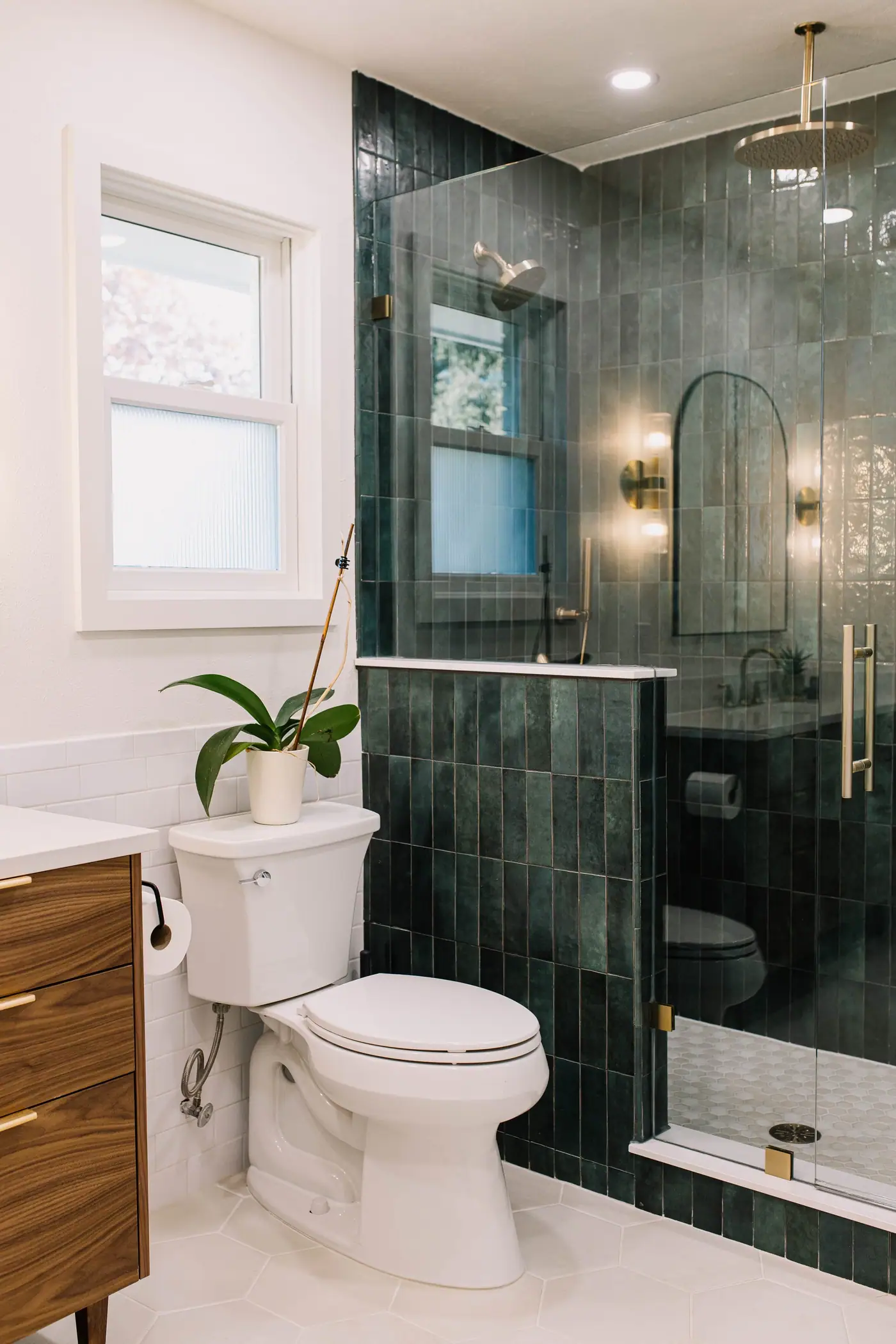
The City’s rule covers the outside of the house. A bath remodel that stays inside the walls needs no certificate. A new window in that bath does.
The districts
Fort Worth’s fourteen historic districts
The City lists fourteen, from Central Handley to the Stockyards. Staff review your plans against the district’s own design guidelines. Where a district has none, the City uses the Secretary of the Interior’s Standards.
| District | What the City says | What the City publishes for it |
|---|---|---|
| Central Handley | Designated in 2001 and listed on the National Register in 2002. Built from 1910 to 1930 as a commercial district. | A map. The district uses the Secretary of the Interior’s Standards |
| Chase Court | A private street of homes on the south side, known for its tall metal gates and cement pillars. | No district guidelines listed. The City publishes a survey report |
| Elizabeth Boulevard | The City’s first historic district, also on the National Register, named for the wife of its developer, John Ryan. | The City lists two district documents |
| Fairmount | An early 20th-century streetcar suburb. | A map, and new design standards in draft until City Council adopts them |
| Garden of Eden | Designated in 2005. The City calls it Fort Worth’s first African-American cultural district. | Its own guidelines and a map |
| Hillcrest | Building began in 1925 and was largely finished by 1947. | Its own guidelines and a map |
| Historic Carver Heights | The first neighborhood developed by Black professionals for Black professionals. Most houses date from 1950 to 1965. | Its own guidelines, in English and Spanish, and a map |
| Kenwood Court | Designated in 1991. Fifteen houses built from the 1920s to the 1940s. | Its own guidelines and a map |
| Linden Avenue | Part of the Queensborough Addition, platted in 1907. | Its own guidelines and a map |
| Mistletoe Heights | Designated in 2002, an early 20th-century neighborhood. | Its own guidelines and a map |
| Morningside | A planned community developed by John C. Ryan. | Its own guidelines, in English and Spanish, and a map |
| Terrell Heights | Partly inside the Near Southeast National Register district. | Its own guidelines and a map |
| W. A. Powers | A block of commercial and industrial buildings south of downtown. | No district guidelines listed. The City publishes a survey report |
| Stockyards | Divided into historic, transition and edge districts. Only the innermost is historic. | No district guidelines listed. The City publishes a survey report |
Each district’s guidelines and map are on the City’s page. See the City’s historic districts
Check your address
How to tell if your house is in a historic district
Look up the address on the City’s zoning map, not the neighborhood name. The City’s map carries historic districts and single-property historic designations as separate layers, so a house outside any district can still carry a designation of its own.
On the City’s zoning map, turn on the Overlay Districts, Historic Districts and Historic Designations layers, then locate your address and click it. Each layer tells you what applies there.
- HC Historic and Cultural Landmark
- Meets two or more of the City’s criteria for significance and integrity.
- HSE Highly Significant Endangered
- Meets three or more of the criteria and is threatened by irretrievable loss.
- DD Demolition Delay
- A nomination category the City lists with the two above. Its staff can tell you what it covers.
Once a house is designated, the City says exterior changes need a Certificate of Appropriateness from its Landmarks Commission or its Historic Preservation Officer.
A National Register listing is a different thing. The National Park Service says listing “places no restrictions on what a non-federal owner may do with their property.” The review comes from the City’s own designation.
The process
How to get a Certificate of Appropriateness in Fort Worth
Check the designation, apply online, let staff review your plans, go to the commission if your case needs it, then pull your building permit.
- The commission meets
- Second Monday, 2:00 p.m.
- Its agenda deadline
- Third Monday of the month
-
Check the designation
Look up the address on the City’s zoning map, with its historic layers turned on, before anything is drawn.
-
Apply online
The City takes the application through its online permitting system. Your case gets a number that starts with HCLC.
-
Staff review
City staff review your plans against the district’s guidelines. The City’s standard for a staff review is less than 5 days.
-
The commission, if your case needs it
The Landmarks Commission meets on the second Monday of every month at 2:00 p.m. To get on its agenda, the application is due by the third Monday of the month. Owners within 300 feet get notice by postcard 10 days before the hearing. The City’s standard for a commission review is 21 calendar days or more, depending on when you apply.
-
The certificate, then the permit
If it’s approved, you get a signed Certificate of Appropriateness with stamped plans. If it isn’t, you get a denial letter. With the certificate in hand, you apply for the building permit. What the Fort Worth permit process looks like
Tax breaks
Historic tax breaks in Fort Worth
The City offers two: a tax freeze for a designated landmark, and a Historic Site Tax Exemption for a rehabilitation that meets its terms. The exemption needs City staff approval before the work starts, so ask first.
- 10 years
- A Historic and Cultural Landmark is eligible for a 10-year tax freeze based on the assessed value of the land the year before you apply, if the rehabilitation requirements are met.
- 15 years
- A Highly Significant Endangered property may get 15 years, if the rehabilitation is finished within 2 years.
The Historic Site Tax Exemption
- Before work starts
- City staff approve the project.
- The spend
- At least 20% of the assessed value of the improvements, spent on the rehabilitation.
- After it’s finished
- The Landmarks Commission and City Council verify it.
- What you get
- City taxes on the land and the improvements stay at the pre-renovation value for ten years. You reapply with the Tarrant Appraisal District each year.
Whether a particular house qualifies is a question for the City’s preservation staff before any work begins. See the City’s Historic Preservation page
Our part
Remodeling in a Fort Worth historic district
Plan the outside first. The certificate comes before the permit, so the exterior design has to be settled before anything is submitted.
For what renovating an older house involves, from the wiring to the plaster, read renovating a historic home in Fort Worth. Planning more space? See our home additions.
- Our drafting team draws your plans.
- When a house sits in a historic district, we handle the Certificate of Appropriateness too.
- We pull and manage city permits and inspections.
Do I need approval to replace windows in a Fort Worth historic district?
Yes. Windows are on the City’s list of exterior work that needs a Certificate of Appropriateness, and you need it before you pull the building permit. The City says most cases can be approved by its staff without the commission.
Does an interior remodel need a Certificate of Appropriateness?
The City’s rule is written for the exterior: any change to the outside of a designated property needs one. A kitchen or bath that stays inside the walls needs no certificate, though it may need building, plumbing or electrical permits. A new window or door in that room is exterior work.
How long does a Certificate of Appropriateness take in Fort Worth?
The City’s standard is less than 5 days for a case its staff can approve, and 21 calendar days or more for a case that goes to the Landmarks Commission, depending on when you apply.
When does the Historic and Cultural Landmarks Commission meet?
On the second Monday of every month at 2:00 p.m., in the City Council Chambers. Applications for its agenda are due by the third Monday of the month.
Does a National Register listing restrict what I can do to my house?
Not by itself. The National Park Service says listing places no restrictions on what a private owner may do with their property. In Fort Worth, the review comes from the City’s own historic designation.
Does it cost anything to designate a house in Fort Worth?
The City says there is no application fee to nominate a property. An owner or the owner’s authorized representative can nominate it, as can the City Manager, City Council or the Landmarks Commission.
Every City of Fort Worth line on this page is quoted or paraphrased from its Historic Preservation, Historic Districts and Review Timeframes pages and its guide to checking an address on the zoning map, read November 5, 2026.
Your house
Settle the outside before the work starts
In a historic district, the certificate comes before the permit. If your case goes to the commission, missing its deadline means waiting for the next month’s hearing. Walk your house with a designer and a builder first, and start with an honest estimate. No charge, no obligation.
Or call or text (817) 631-9803