
Fort Worth · 76107
Living in Monticello, Fort Worth
About 810 houses northwest of the Cultural District, most from the 1920s to the 1940s, with newer ones between them.
Rather talk it through? Call or text (817) 631-9803
Where it is
Monticello in Fort Worth is a neighborhood of about 810 houses on the west side, just northwest of the Cultural District.
The city registers Monticello as a neighborhood association, and its line takes in about 310 acres. Inside it are 813 houses, every one with a 76107 address and inside the City of Fort Worth. Crestwood lies to the north, North Hi Mount to the south and Crestline to the southwest. Monticello Park, a city park of a little over four acres, sits inside it.
The name comes from the Monticello Addition. Historic Fort Worth records that Hare and Hare, landscape designers from Kansas City, planned it in 1928, and W. C. Guthrie developed it for the Monticello Land Company. The same record names the brick pedestals at one of its main entrances as the addition’s entrance gates. Today the city’s Monticello line holds eight recorded subdivisions, and the Monticello Addition holds 388 of the 813 houses, fewer than half.
Road miles from Monticello Park
- The Kimbell Art Museum
- 1 mi
- Dickies Arena
- 1.5 mi
- Downtown Fort Worth
- 2.5 mi
- TCU
- 3.5 mi
- The Shops at Clearfork
- 5 mi
Monticello’s 813 houses by the subdivision they were recorded in
- The Monticello Addition · 388
- William J. Bailey Addition · 128
- Country Club Heights · 118
- Trinity Heights · 67
- River Crest Addition · 40
- Riverview Estates Addition · 35
- Monticello Park (the subdivision) · 29
- Rita Addition · 8
The houses
Most of Monticello’s houses were built from the 1920s to the 1940s, and about 230 have gone up since 2000.
Of the 813 houses, 458 carry a build year from 1920 to 1949 in the appraisal district’s records, and the 1940s, with 199, is the largest decade. The median build year is 1945. Since 2000, 230 more have been built: 89 in the 2000s, 114 in the 2010s and 27 since 2020.
Monticello’s houses by the decade of their recorded build year
1940s: 199
2010s: 114
209 of 230
The new houses are spread through the neighborhood, not set apart in one corner. Of the 230 built since 2000, 209 have a house from before 1950 within 150 feet, next door or across the street.
The lots run about 7,200 square feet at the median, about 58 feet wide. The newer houses mostly sit on the smaller ones: about 6,500 square feet at the median for houses built since 2000, against about 8,400 for houses built before 1950. In the Monticello Addition itself the median lot is about 9,500 square feet.
Median recorded lot area: about 8,400 square feet for houses built before 1950, about 6,500 for houses built since 2000; the newer square's side is 88.3% of the older's.
The schools
Monticello’s houses are zoned to North Hi Mount Elementary, Stripling Middle and Arlington Heights High.
Monticello is in Fort Worth ISD, and the district’s own School Finder gave the same three schools for every house we asked about. We asked at 347 of the 813 houses, every third one and every house near the edge of the line, using the district’s 2026–27 boundaries.
Before you sign a contract, enter the address in the district’s School Finder yourself. Boundaries can change from one school year to the next, and the school district also sets part of the property tax bill.
Texas Education Agency ratings, 2026, read October 18, 2026
North Hi Mount Elementary
PK–5 · 72/100
Stripling Middle
6–8 · 79/100
Arlington Heights High
9–12 · 83/100
Adding on
If you own a house in Monticello built before 1950, you can add on, remodel or build new.
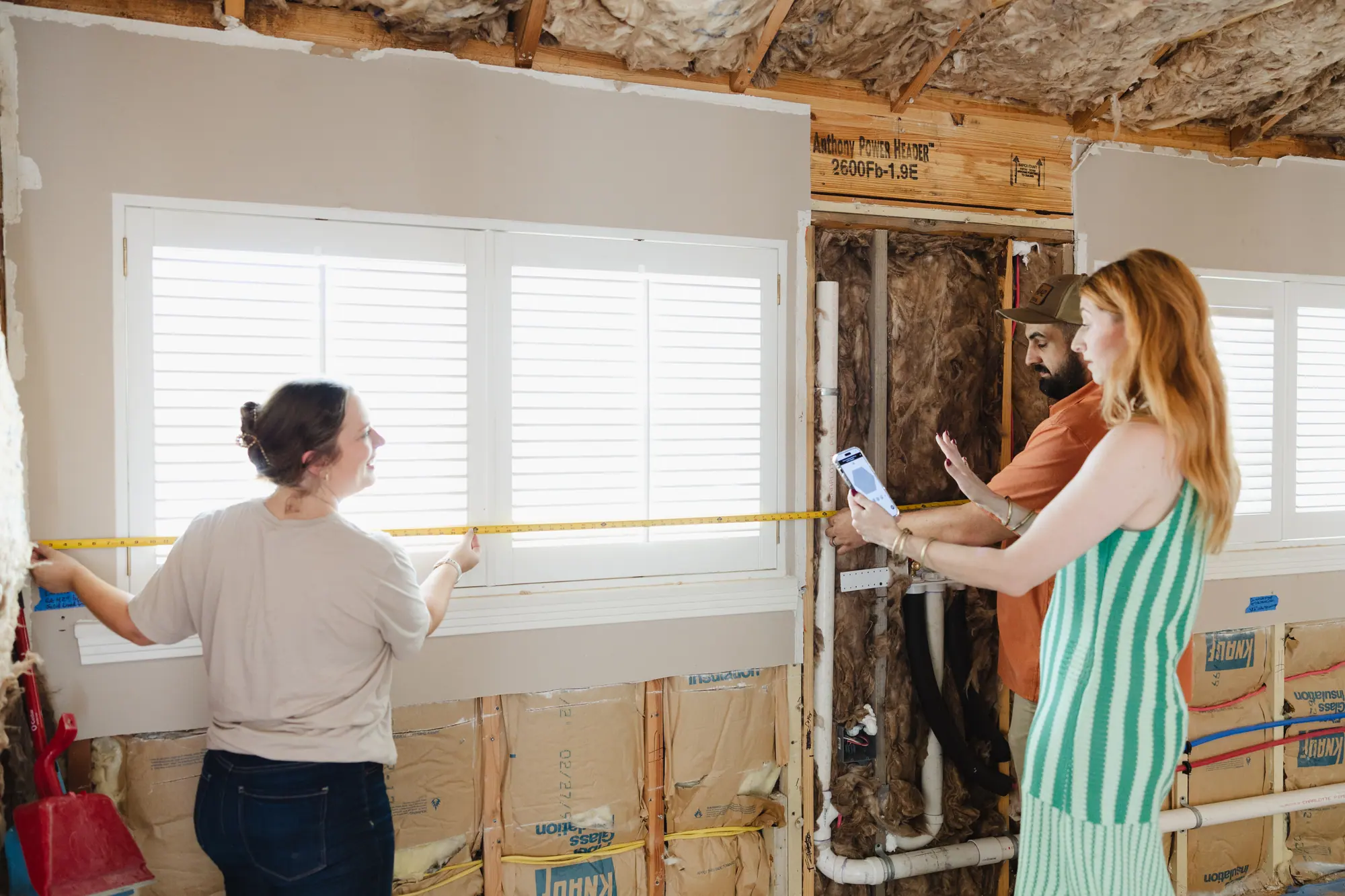
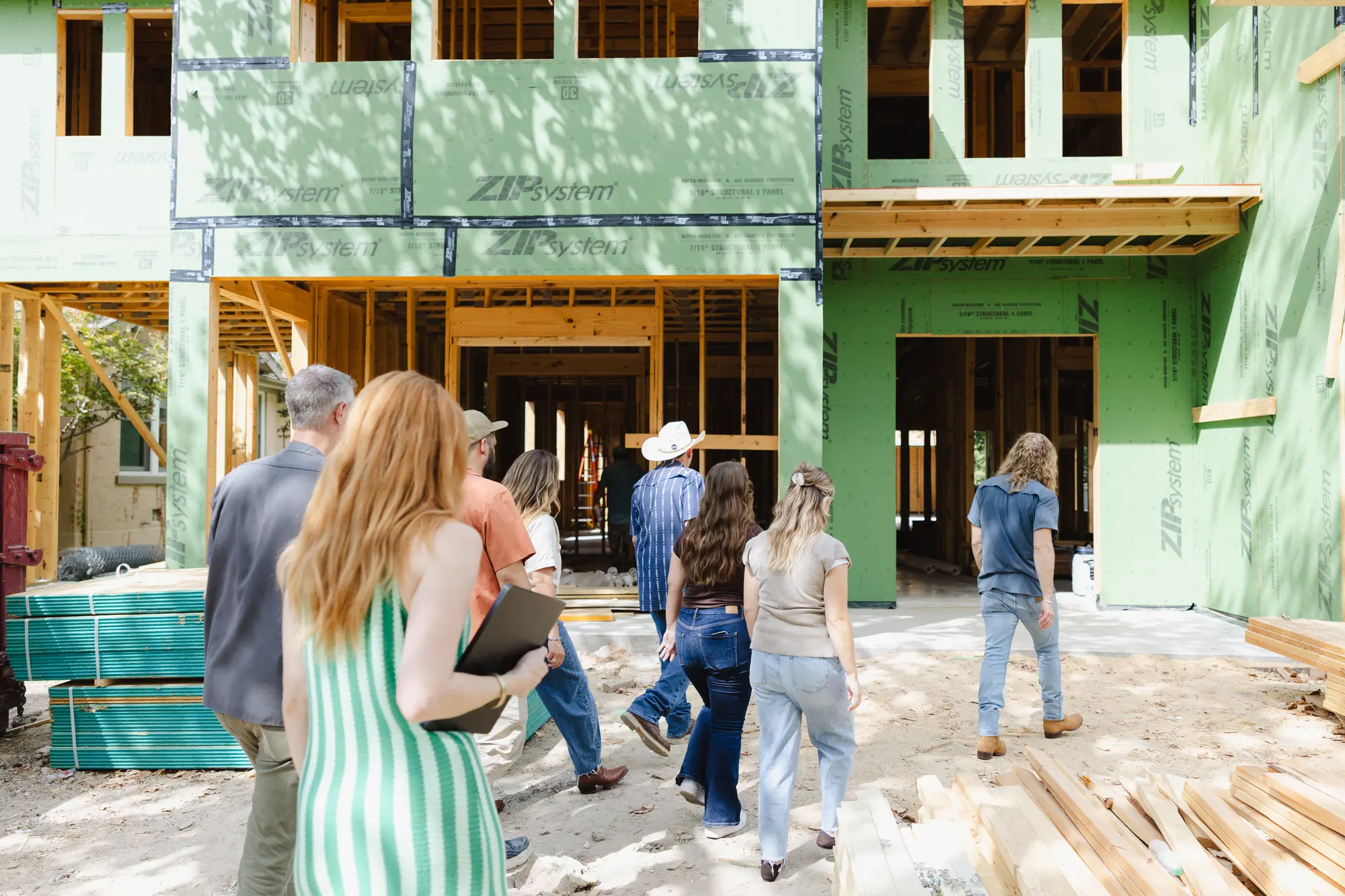
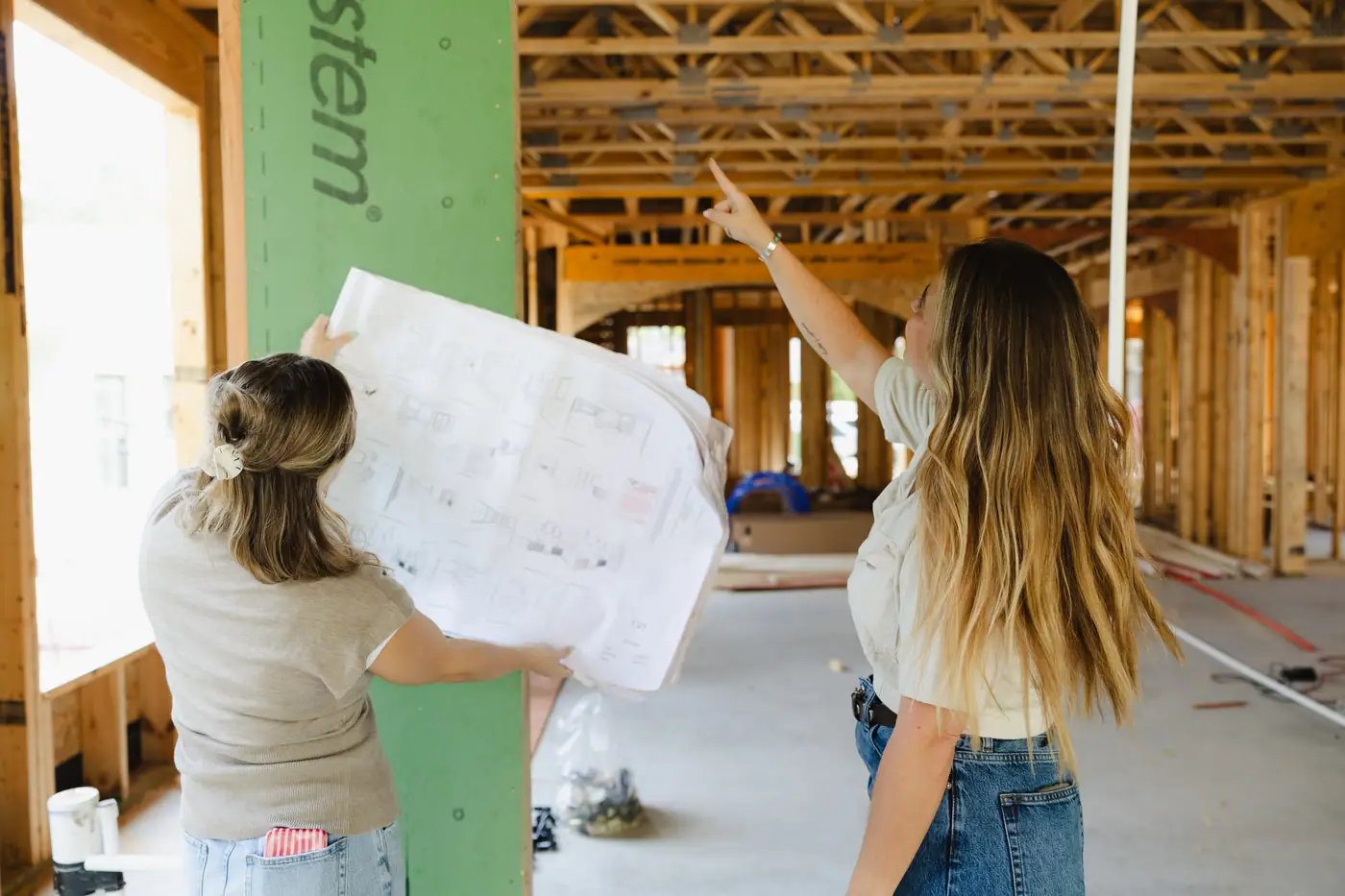
If your older house feels short on room, there are three ways to go.
Add on, with a primary suite at the back or a second story.
Remodel what you have, inside the walls you already own.
Or take the house down and build a new one on the lot.
Our design and construction teams can price an addition, a remodel or a new house on the same lot, and our real estate agents can tell you what the house would be worth after each one. You get both answers from one team before you choose.
No part of Monticello lies in any of the city’s designated historic districts. Two houses carry an individual city designation: one as a landmark, where changes to the outside go through the city’s historic review first, and one with a demolition delay, which matters only if someone wants to tear the house down or move it. The city’s zoning map shows a designation for any parcel.
Home additions in Fort Worth
$60,000–$420,000
a bump-out at the low end, a full second story at the top.
Ranges for a home addition in Fort Worth, not a quote. Before there are drawings, a range is the only honest number anyone can give you — the spread between a high and a low bid on the same job is routinely 20% or more. We bill Cost Plus, so when there is a plan you see the actual materials, labor and subcontractor costs, plus our overhead and profit, rather than a single figure with the unknowns padded into it.
What changes the price
- Which kind of addition. A bump-out borrows the roof and structure you already have; a second story needs engineering, a staircase, a new roofline and every system re-integrated.
- Whether a bathroom is in it. Plumbing into new square footage is $15,000–$35,000 on its own, and how far it sits from existing lines decides where in that band you land.
- What the existing house can carry. Whether the foundation extends, whether a bearing wall is in the way, and whether the framing can take a floor above it are answers that come from opening things up, not from the curb.
- Per square foot
- $175–$400
- How long it takes
- 3–9 months
- Fort Worth permit fees
- $1,200–$3,500
- Set aside a contingency
- 15–20% of budgetfor what the existing house turns out to be hiding
Our work nearby
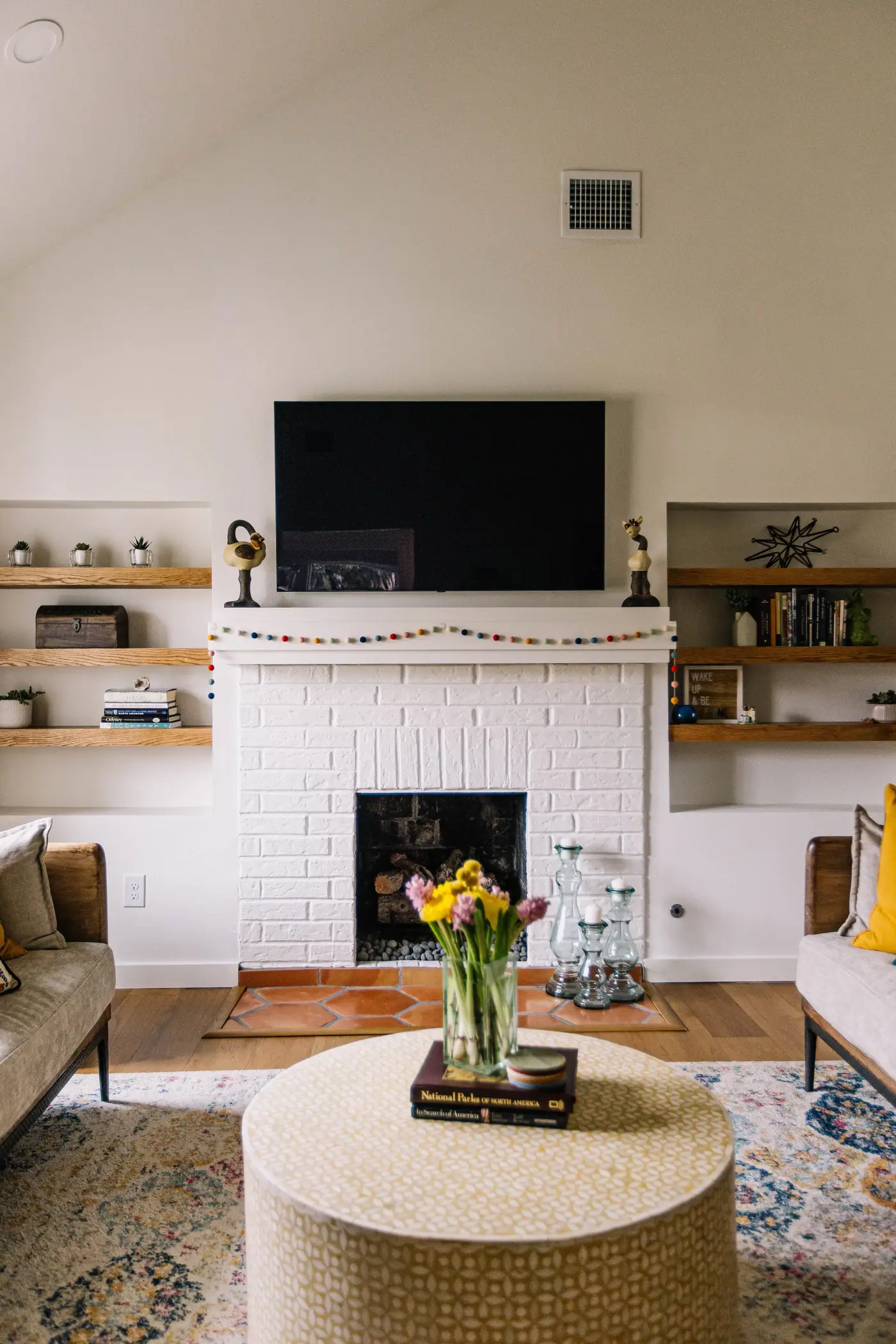
Two houses we remodeled near Monticello: a craftsman with a new primary suite, and a bungalow reworked inside its own walls.
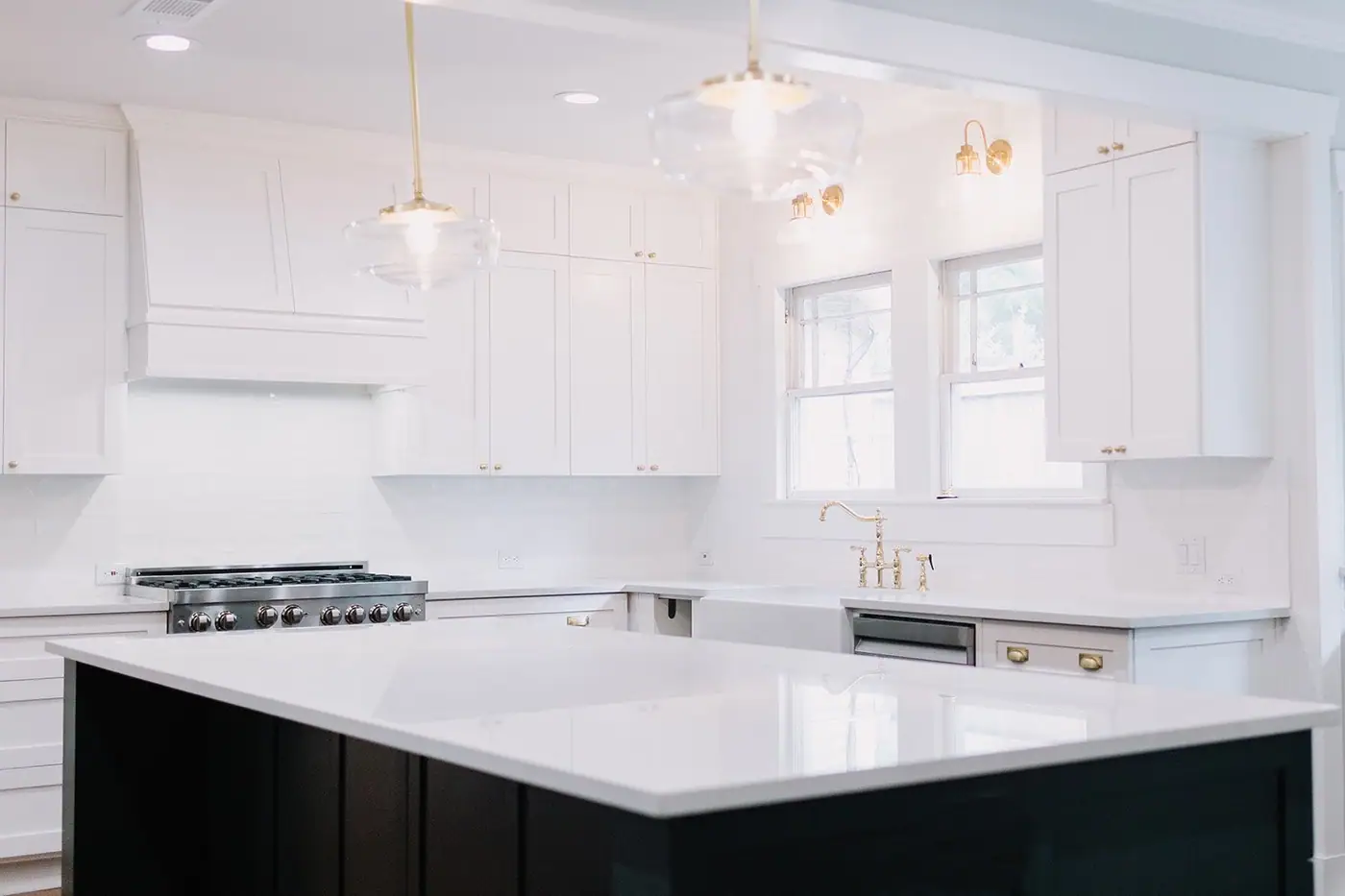
North Hi Mount · Whole-home remodel and addition
A craftsman, remodeled and added onto
A full remodel with a primary suite added on. Our team kept its character and brought in modern finishes and pops of color.
Design and construction
Arlington Heights · Whole-home remodel
A bungalow with a new plan and no new square feet
The family kept the size they loved and changed the plan: a galley kitchen, a full bath for their son and a new walk-in closet in the primary suite.
Design and construction
The craftsman is in North Hi Mount, about a quarter mile outside Monticello’s line, and the bungalow is in Arlington Heights, a little over half a mile away. The craftsman gained a room; the bungalow changed its plan without adding any. The teams that built them share a roof with our real estate agents, so one call can cover buying a Monticello house, changing it and selling it, or any one of the three.
Best Home Builder & Remodeler
Fort Worth MagazineFort Worth Chamber Small Business of the Year4.7 stars from 91 Google reviews as of September 2026
Questions
Monticello, Fort Worth, in nine questions.
Where is Monticello in Fort Worth?
On the west side, just northwest of the Cultural District, in the 76107 ZIP code. The city registers it as a neighborhood association of about 310 acres, between Crestwood to the north and North Hi Mount to the south, with Crestline to the southwest. By road, Monticello Park is about a mile from the Kimbell Art Museum and about two and a half miles from downtown.
Is Monticello the same as the Monticello Addition?
Not quite. The Monticello Addition is the subdivision planned in 1928 that gave the neighborhood its name. The city’s Monticello line takes in seven other recorded subdivisions as well, and the Monticello Addition holds 388 of its 813 houses. A house’s legal description names its subdivision.
Which schools are Monticello houses zoned to?
In Fort Worth ISD’s 2026–27 boundaries, North Hi Mount Elementary, Stripling Middle and Arlington Heights High. The district’s School Finder returned those three for all 347 houses we checked inside the line. Confirm any one address in the finder before you sign a contract.
When were the houses in Monticello built?
Mostly from the 1920s through the 1940s: 458 of the 813 houses carry a build year in those three decades, and the median is 1945. Another 230 were built in 2000 or later, and nearly all of them stand within 150 feet of an older house.
Is Monticello a historic district?
No. The city’s designated historic districts do not reach it. Two houses carry their own designation: one is a city landmark, and one has a demolition delay. Check a parcel’s designation on the city’s zoning map before planning changes to the outside or a teardown.
Is there an HOA in Monticello?
The city registers Monticello as a neighborhood association, not a homeowners association. Two homeowners associations the city lists touch its line, but none of the 813 houses counted here sits inside either. For any one lot, the title commitment shows its deed restrictions.
Is Monticello in a flood zone?
No FEMA mapped flood zone touches it. The city’s own storm-drain study does map a 100-year flood risk area across part of the neighborhood. Of the 813 houses, at least 108 have part of the lot inside it, and 33 have the center of the lot inside it. Before you buy, look the lot up on the city’s map and read what the seller discloses about flooding.
Is there a park in Monticello?
Yes. Monticello Park is a city neighborhood park of a little over four acres inside the line. The Kimbell Art Museum and the rest of the Cultural District are about a mile away by road.
Can I tear down a house in Monticello and build new?
On most lots, it is a standard city permit, because no historic district covers the neighborhood. Check the parcel first: one house is a city landmark and one carries a demolition delay, and the lot’s zoning sets what can go back on it. Our design and construction teams can price a new house or an addition on the same lot, so you can compare.
More on Monticello
Crestline
The neighborhood to the southwest: why a listing called Crestline may sit outside it, and its two school zones.
Go →Home additions in Fort Worth
How we add a primary suite or a second story to an older house, and what one costs here.
Go →All Fort Worth neighborhood guides
The other guides, plus house and lot sizes for more Fort Worth neighborhoods.
Go →
Your next step
One Monticello house, two numbers: what it would sell for, and what adding on, remodeling or rebuilding would cost.
- 1 Start with one house: a listing you’ve found, or your own.
- 2 We look it up in the city’s and the school district’s records: its subdivision, its zoning, any designation and any mapped flood risk.
- 3 You get both answers: what our real estate agents think it would sell for, and a price range from our designers and builders for the work.
If you’re buying, check the lot’s designation and flood risk before your option period closes. Until it closes, you can still back out of the contract for any reason.
Then the choice is yours. If you ask, we’ll tell you what we would do.
Sources
Verified October 26, 2026. The neighborhood: the City of Fort Worth’s Neighborhood Organizations map layer, read on October 26, 2026. Houses, build years, lots and subdivisions: Tarrant Appraisal District parcels (tax year 2026) as the city’s GIS publishes them. “Houses” are the parcels the appraisal district classes as single-family, with condominiums and townhomes left out, and a house counts when its whole lot is inside the line, so lots the line crosses are left out. Build years are assessment records, not permit dates. Designations, zoning and flood areas: the city’s map layers and FEMA’s mapped flood zone. Schools: Fort Worth ISD’s School Finder (2026–27 boundaries), asked at 347 houses; ratings from the Texas Education Agency’s 2026 accountability reports. The 1928 plan: Historic Fort Worth’s Monticello entrance gates page. Distances: road miles along the shortest route OpenStreetMap’s routing service found from Monticello Park on October 26, 2026, rounded to the nearest half mile. You won’t find sale prices, asking prices, days on market, assessed values or house sizes here. Listing sites update prices constantly and draw Monticello their own way, an assessed value is set for property tax, and the house-size field in the city’s parcel map changed in fall 2026.