Fort Worth neighborhood guides
The best neighborhoods in Fort Worth
Which neighborhood is best depends on the house you want. So we measured the two things that decide most of it, how big the houses are and how much land they sit on, in 14 neighborhoods where we buy, sell and build.
Compare neighborhoods
House and lot sizes in Fort Worth neighborhoods.
This board shows the housing stock itself: the median house and the median lot, neighborhood by neighborhood, from the county’s parcel records. You decide what fits your life.
A bigger number does not mean a better neighborhood. The median lot runs from 6,250 sq ft in Arlington Heights to 18,215 sq ft in Mira Vista. Which is right for you depends on whether you want room to build or less to keep up.
Each figure is a median: half the houses are larger, half smaller. Open a row for notes and links to our pages.
Median house, living area
Median lot
Where most of our work is now · A to Z
-
Arlington Heights
West side · 1920s–1950s
Craftsman bungalows and Tudors beside mid-century houses
House 1,508 sq ftLot 6,250 sq ftOur work here: 5 projectsThe houses
Craftsman bungalows and Tudor cottages from the 1920s and '30s beside mid-century houses that have been updated since, so the oak-shaded streets mix eras.
- House 1,508 sq ft:
- a quarter come in under 1,213, and the top tenth pass 2,370
- Lot 6,250 sq ft:
- 50 ft wide by 130 deep — and one in five measures more than a foot under 50
Also measured
- Built before 1940
- 57%
- 1,001 in the 1920s and '30s alone, out of 1,971 houses
Our pages for Arlington Heights
- The Arlington Heights guide
- Interior design in Arlington Heights
- Garage apartments in Arlington Heights
- Whole-home remodels in Arlington Heights
- Arlington Heights Backyard Casita
- Arlington Heights Design Refresh
- Arlington Heights Whole-Home Remodel
- Arlington Heights Small-Space Remodel
- Arlington Heights Primary Bath Remodel
-
Crestline
West side · 1920s to now
Cottages and Tudors, and a third built since 2000
House 3,265 sq ftLot 7,500 sq ftOur work nearby: 1 projectThe houses
Cottages, Tudors and bungalows built around the golf course from 1911 on, plus 1980s houses and newer ones (a third were built since 2000), all on the same streets.
- House 3,265 sq ft:
- a quarter are over 4,468, and the top tenth pass 5,643
- Lot 7,500 sq ft:
- 52 ft wide at the median, but the top quarter run past 90
Also measured
- Median year built
- 1980
- and a third were built since 2000, though most streets still look older than that
Our pages for Crestline
-
Mira Vista
Southwest · 1990s
Late-1990s and 2000s custom houses behind a gate
House 4,703 sq ftLot 18,215 sq ftOur work here: 2 projectsThe houses
Late-1990s and 2000s custom houses on a bit over four tenths of an acre, behind a gate, usually with a three-car garage and a pool in the back yard. Styles run traditional to Mediterranean to contemporary rather than repeating one form.
- House 4,703 sq ft:
- a quarter are over 5,665, and the top tenth are over 6,856
- Lot 18,215 sq ft:
- a median frontage of 136 feet, and a recorded median lot area a shade over 0.4 acre
Also measured
- Houses with a pool
- 418 of 696
- three in five, so the pool and the yard usually come into the plan
-
Overton Park
TCU and Tanglewood · 1960s
1960s one-story ranches on about a third of an acre
House 2,967 sq ftLot 14,664 sq ftOur work here: 4 projectsThe houses
Low-slung 1960s stock: one-story ranch houses with mid-century modern and two-story colonial mixed among them, on lots running about a third of an acre under mature canopy.
- House 2,967 sq ft:
- one in four is over 3,594 square feet, and one in ten is over 4,274
- Lot 14,664 sq ft:
- 118 feet across at the median, and 147 deep
Also measured
- Houses with a pool
- 246 of 691
- more than one in three
-
Ridglea Hills
West side · 1950–1970
Post-war ranches, and custom houses on the elevated lots
House 2,351 sq ftLot 15,000 sq ftOur work: 1 project here, 1 nearbyThe houses
Post-war ranches, traditional brick, and larger custom houses on the elevated lots. The median house was built in 1956.
- House 2,351 sq ft:
- a quarter are over 2,996, and the top tenth pass 3,769
- Lot 15,000 sq ft:
- 104 ft wide by 155 deep, about a third of an acre
Also measured
- Houses with a pool
- 1 in 4
- 356 of the 1,412 single-family parcels record one
-
Tanglewood
TCU and Tanglewood · 1950s–70s
Mid-century ranches under big trees
House 3,113 sq ftLot 12,420 sq ftOur work here: 3 projectsThe houses
Mid-century ranches under big trees, most of them fifty to seventy years old, with a run of larger two-story houses that went up as the neighborhood filled in.
- House 3,113 sq ft:
- a quarter are over 3,821 — these are large houses already
- Lot 12,420 sq ft:
- 102 ft wide by 136 deep
Also measured
- Houses with a pool
- 1 in 3
- 221 of the 663 single-family parcels record one
-
TCU / Westcliff
TCU and Tanglewood · 1940s–50s
Postwar brick cottages, ranches and split levels
House 1,852 sq ftLot 10,950 sq ftOur work here: 3 projectsThe houses
Postwar brick: 1940s Minimal Traditional cottages at the north end, one-story ranches as the neighborhood ran south, split levels where the ground slopes, and larger two-story houses toward Westcliff West.
- House 1,852 sq ft:
- a quarter come in under 1,421, and the top tenth pass 3,380
- Lot 10,950 sq ft:
- 78 feet wide at the median, and only 15 of 1,203 fall under the 50-ft minimum width
Also measured
- Built since 2010
- 71 houses
- against a median year built of 1948
More neighborhoods we work in · A to Z
-
Eagle Mountain Lake
Far north · 1990s–2020s
Brick and stone houses from the mid-1990s on
House not measured yetLot 7,042 sq ftOur work here: 1 projectThe houses
Modern brick and stone traditional houses built between the mid-1990s and the 2020s, on ordinary suburban lots near a lake. Few of them are old enough to need a major remodel.
- Lot 7,042 sq ft:
- 62.8 ft wide by 111.8 deep, a typical suburban lot size
Also measured
- Built since 2000
- 99.1%
- 519 houses in the 2000s and 146 in the 2010s — there is no pre-war stock here at all
- Already have a pool
- 119 of 690
- just over one in six
Our pages for Eagle Mountain Lake
-
Ridglea North
West side · 1940s–1950s
Post-war bungalows on wide, flat lots
House 1,574 sq ftLot 9,044 sq ftNo project of ours here yetThe houses
Post-war bungalows on wide, flat lots — a quarter of them under 1,273 square feet and the top tenth reaching nearly 3,000, with 305 of the 1,018 recording no garage at all.
- House 1,574 sq ft:
- a quarter run past 1,961
- Lot 9,044 sq ft:
- 69.2 ft wide by 143.9 deep, and 161 of the 1,018 parcels are narrower than 55 feet
Also measured
- Built 1941–1979
- 92.3%
- 584 houses in the 1940s and 333 in the 1950s — the median year built is 1947
- No garage
- 30%
- 305 of 1,018 houses record none, so an addition here often has to settle where the cars will park
Our pages for Ridglea North
- Nothing yet. Ask an agent about Ridglea North.
-
Rivercrest
West side · 1910s to now
Older houses by the club, new subdivisions across the river
House not measured yetLot 11,500 sq ftNo project of ours here yetThe houses
On the club side of the river, houses from the 1910s to the 1950s on large lots; across the river, 1950s houses and two subdivisions built since 2016.
- Lot 11,500 sq ft:
- about 22,200 sq ft on the club side, 7,800 across the river
Also measured
- Median year built
- 1952 and 2017
- the club side's median, then the far bank's
- Houses on the plat
- 259
- 114 on the club side of the river, 145 across it
Our pages for Rivercrest
-
Wedgwood
Southwest · 1950s–1970s
Post-war ranches and brick, built about 1950 to 1975
House 1,864 sq ftLot 10,725 sq ftOur work: 2 projects here, 1 nearbyThe houses
Post-war ranches and traditional brick, built between about 1950 and 1975 on wide, flat lots — mostly from the same era.
- House 1,864 sq ft:
- a quarter run past 2,180, and the top tenth reach 2,448
- Lot 10,725 sq ft:
- 84 ft wide by 137 deep — and not one parcel of 2,084 is under the 50 ft minimum
Also measured
- Built 1941–1979
- 99.6%
- 990 houses in the 1950s and 1,041 in the 1960s — the neighborhood went up in twenty years
Near Southside · A to Z
-
Berkeley Place
Near Southside · 1928
Tudor, Spanish and Colonial revival on 60-foot lots
House 2,317 sq ftLot 9,000 sq ftOur work here: 2 projectsThe houses
Period-revival brick and stucco from the twenties and thirties — Tudor, Spanish and Colonial, one and two stories, on 60-foot lots that repeat down the block under a deep canopy.
- House 2,317 sq ft:
- a quarter of them run past 3,056 square feet
- Lot 9,000 sq ft:
- 62 feet across at the median, and 146 feet deep
Also measured
- Houses with a pool
- 95 of 549
- a little over one in six
-
Mistletoe Heights
Near Southside · 1922
Mostly brick, because deeds banned frame construction
House 1,952 sq ftLot 7,740 sq ftOur work here: 4 projectsThe houses
A pre-war neighborhood: the median house dates to 1922, four in five went up before 1940, and the original deed restrictions banned frame construction, which is why most of the older houses here are brick.
- House 1,952 sq ft:
- a quarter are under 1,588, a quarter over 2,584
- Lot 7,740 sq ft:
- 57.7 ft wide by 134.8 deep; half fall between 6,450 and 9,240
Also measured
- Single-family lots
- 409
- inside the city's line, on about 173 acres above the Clear Fork
Our pages for Mistletoe Heights
- The Mistletoe Heights guide
- Interior design in Mistletoe Heights
- Garage apartments in Mistletoe Heights
- Home additions in Mistletoe Heights
- Kitchen remodels in Mistletoe Heights
- Master bath remodels in Mistletoe Heights
- Whole-home remodels in Mistletoe Heights
- Mistletoe Heights Garage Conversion ADU
- Mistletoe Heights Kitchen & Primary Expansion
- Mistletoe Heights Primary Bath Remodel
- Mistletoe Heights Whole-Home Remodel
-
Ryan Place
Near Southside · 1939
Cottages to larger homes, prairie to Mediterranean
House 1,691 sq ftLot 7,500 sq ftOur work here: 2 projectsThe houses
Newer than the streets suggest: the median house here dates to 1939, and four houses went up in the 1940s for every five in the 1920s. One-story cottages and larger stately homes, prairie through Mediterranean, on wide tree-lined streets.
- House 1,691 sq ft:
- the top tenth run past 3,164
- Lot 7,500 sq ft:
- 55.1 ft wide by 140.5 deep — deep lots, and the widths vary a lot
Also measured
- Single-family lots
- 803
- inside the neighborhood's line, on about 305 acres
Source Tarrant Appraisal District parcel records, most read through the City of Fort Worth’s GIS, measured August 26, 2026 to October 18, 2026. Medians across each neighborhood’s single-family parcels; every bar uses the scale at the top of its column. Not on the board yet, because nothing is measured: Monticello, Park Hill, Fairmount. Measured by another county, so listed below rather than drawn here: Aledo.
Neighborhood guides
12 full neighborhood guides, with a source for every fact.
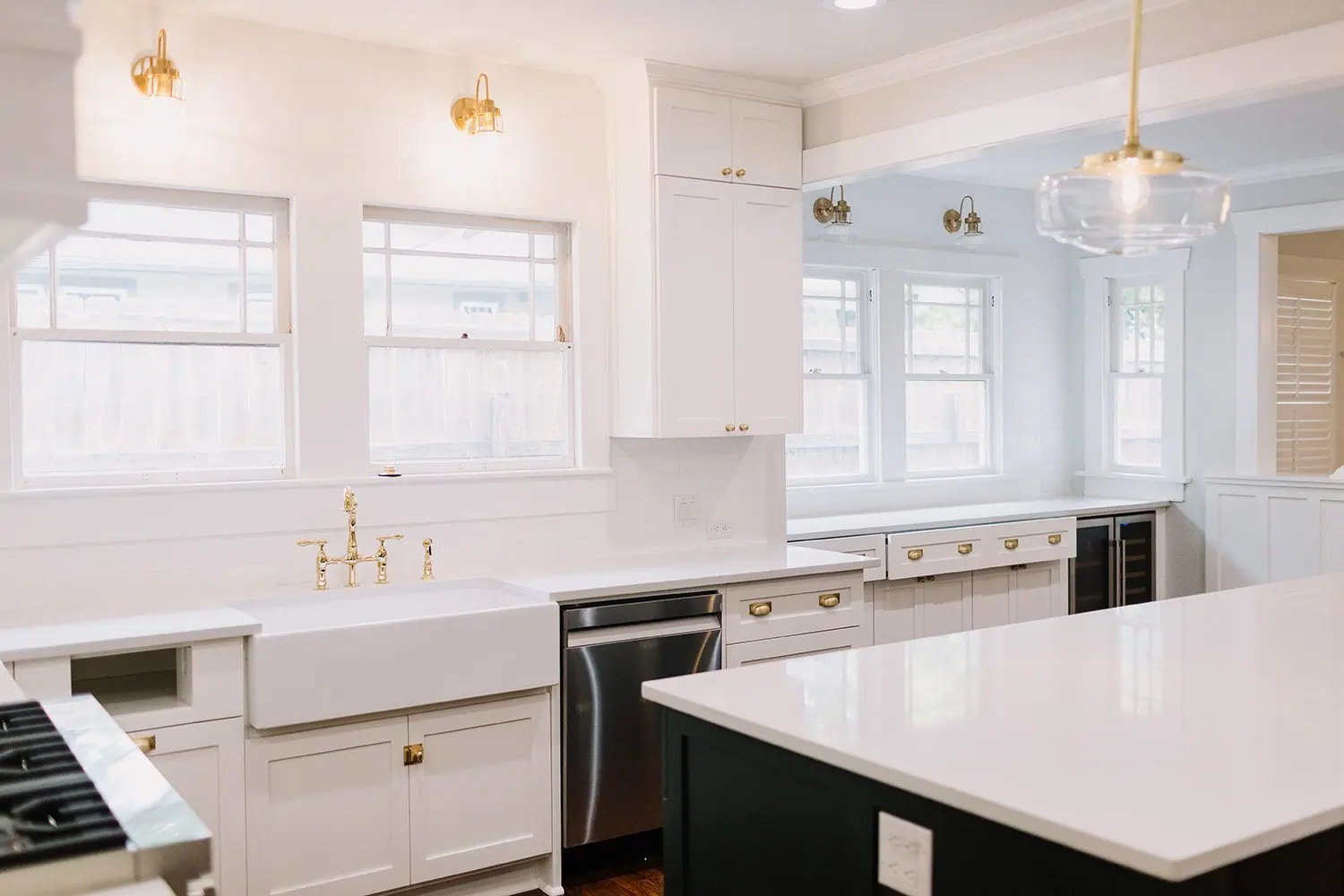
Arlington Heights
1,508 sq ft house · 6,250 sq ft lot
Inside the guide
How the lots measure against the fifty-foot zoning minimum, where an addition can go on one, the Historic Hillcrest district, and when the houses were built.
Read the Arlington Heights guide →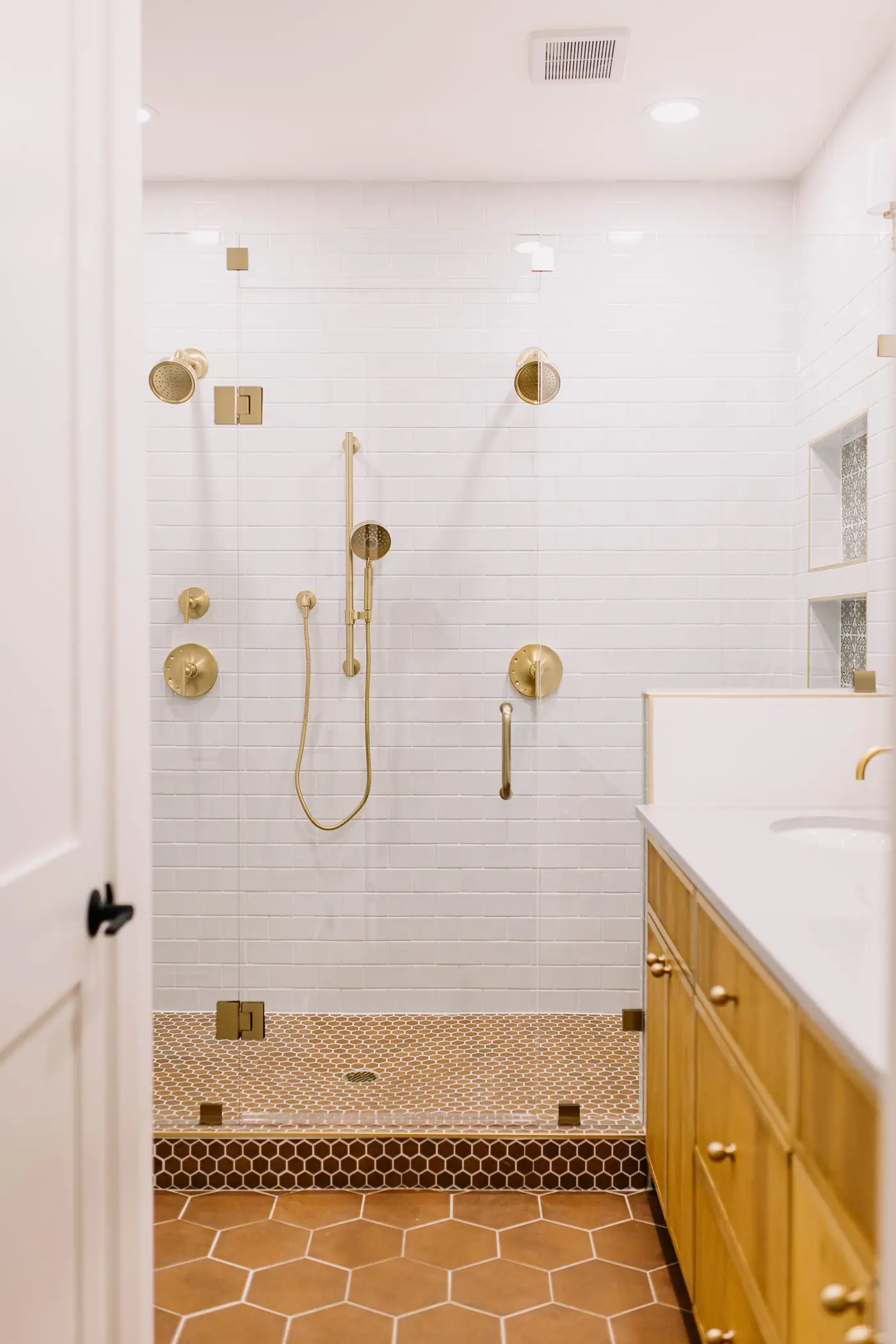
Berkeley Place
2,317 sq ft house · 9,000 sq ft lot
Inside the guide
How it differs from Mistletoe Heights and Ryan Place next door, the houses built in the 1920s, the 60-foot lots, and the one school zone.
Read the Berkeley Place guide →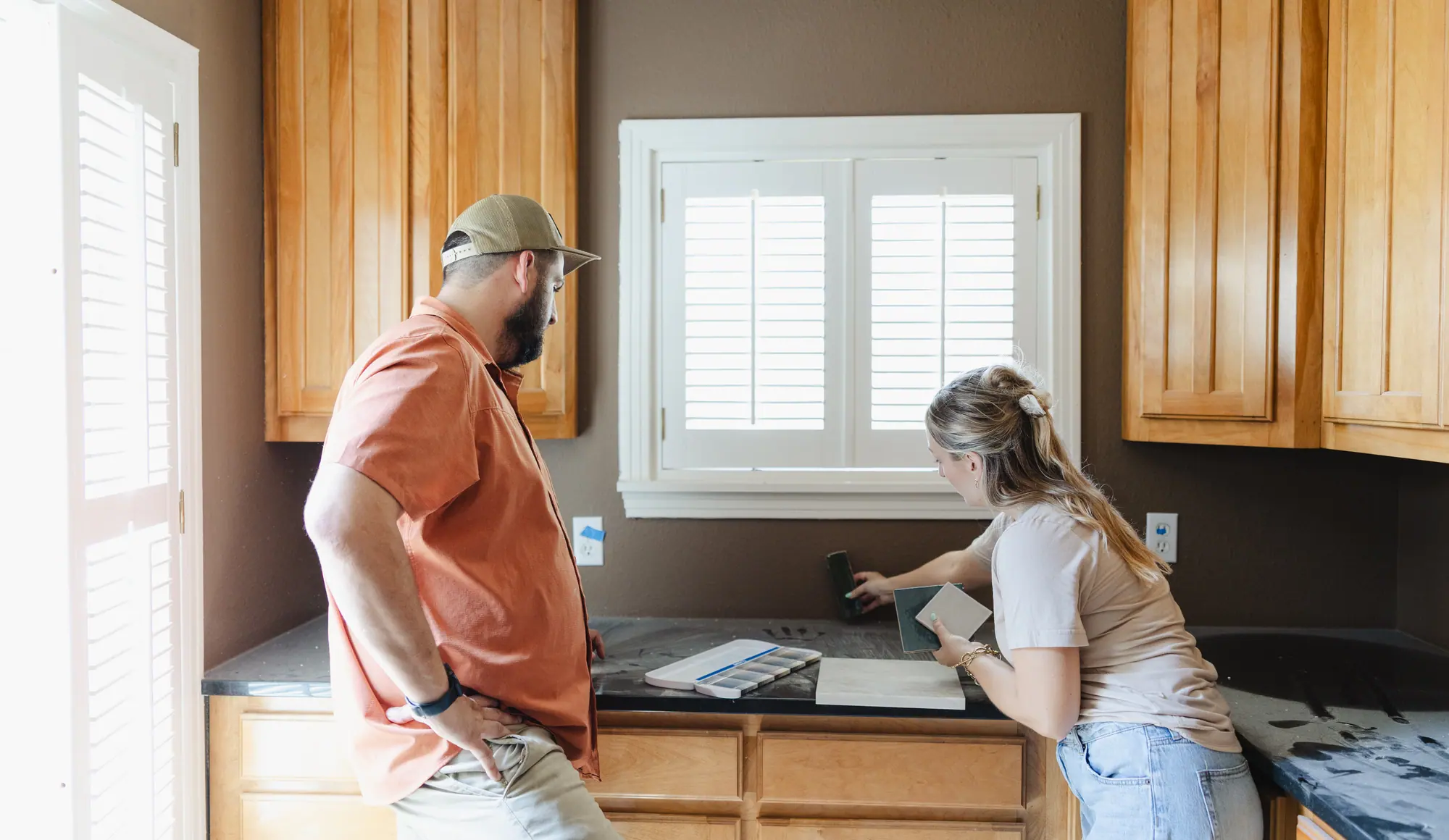
Crestline
3,265 sq ft house · 7,500 sq ft lot
Inside the guide
Why a listing called Crestline may sit outside it, how the lots change from Camp Bowie to the club, the two school zones, and the nine houses with their own historic designation.
Read the Crestline guide →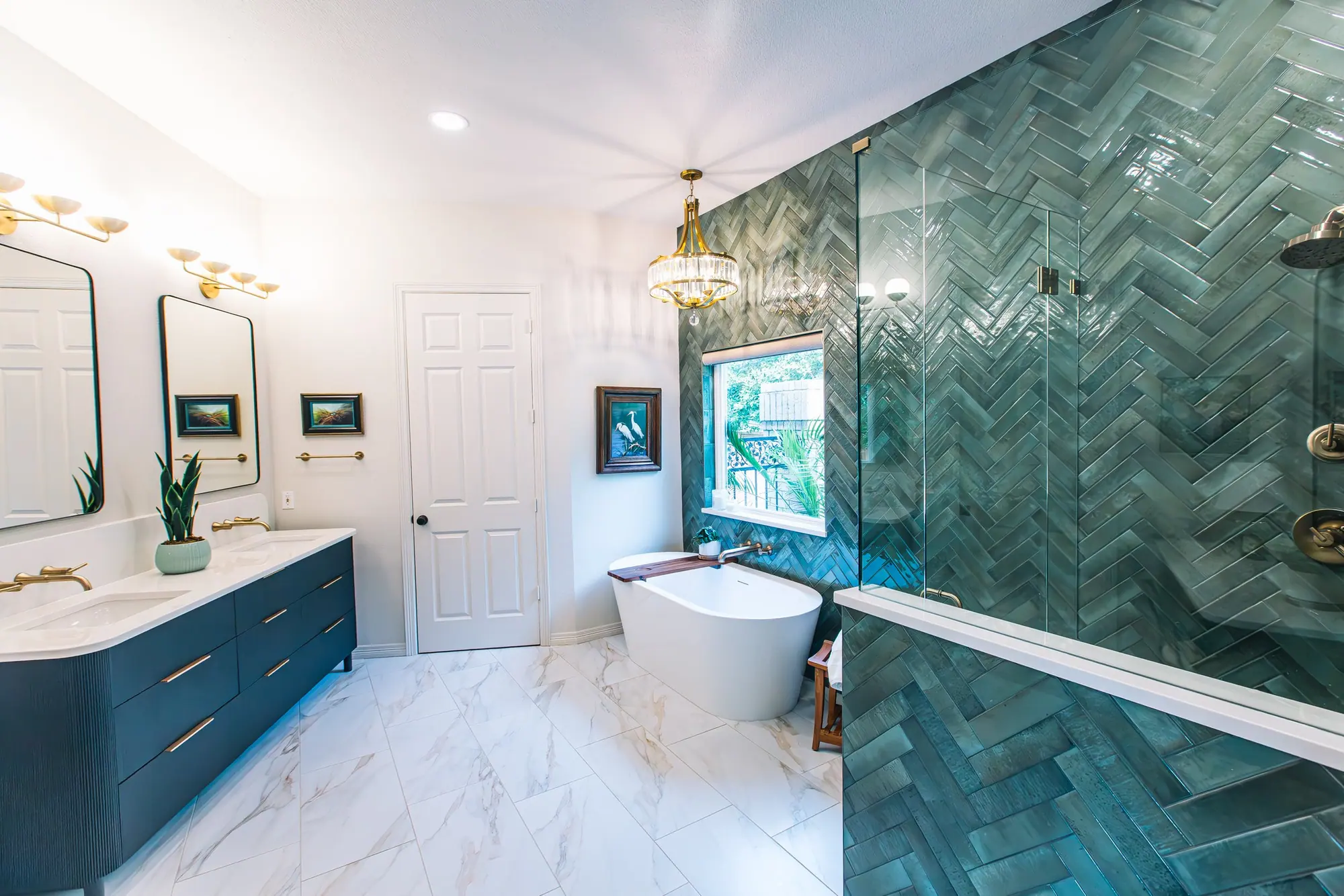
Mira Vista
4,703 sq ft house · 18,215 sq ft lot
Inside the guide
The two school districts it sits in, the committee that reviews exterior work before the city does, and the houses we’ve worked on there.
Read the Mira Vista guide →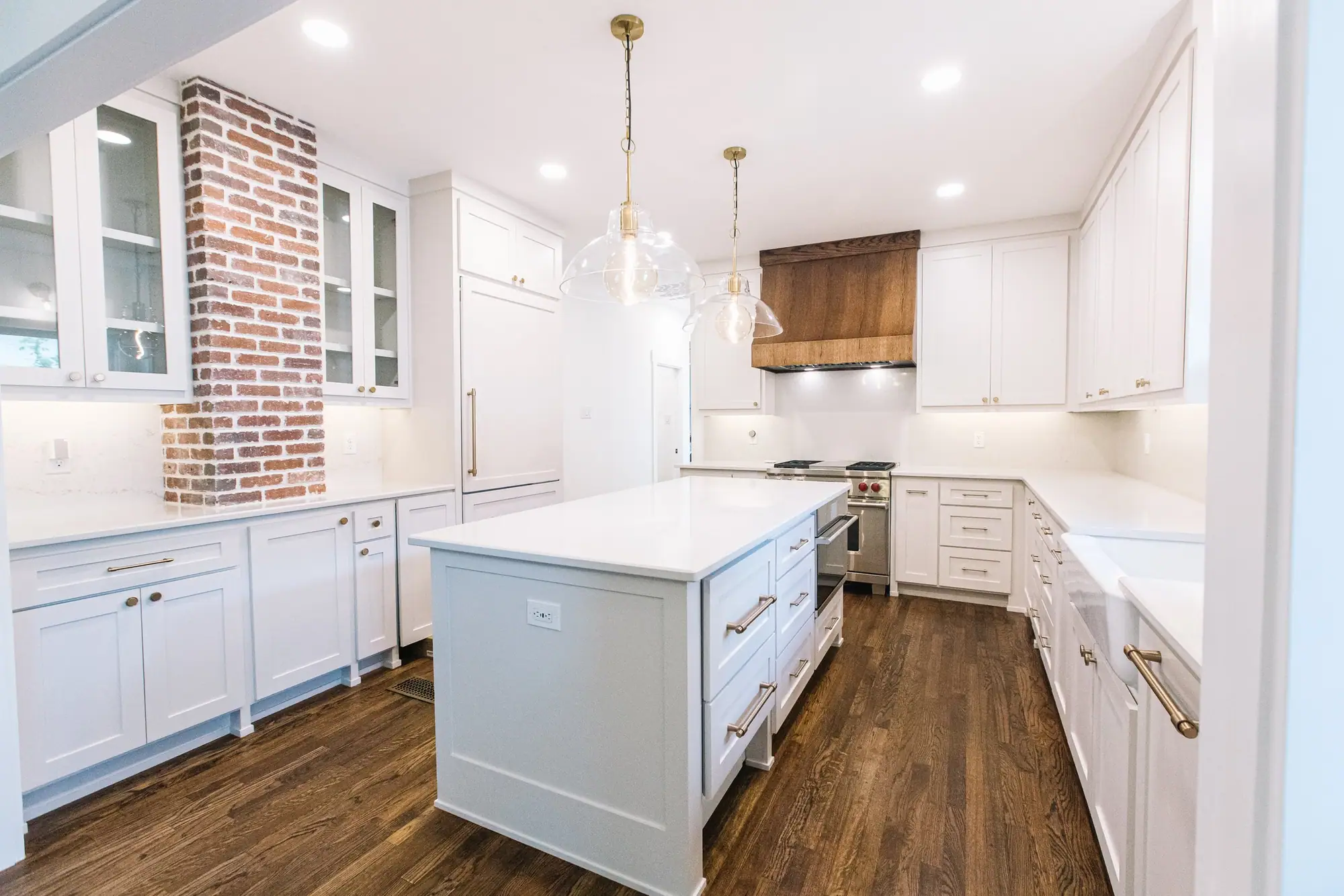
Mistletoe Heights
1,952 sq ft house · 7,740 sq ft lot
Inside the guide
Houses from the 1910s and 1920s, the school inside the neighborhood with the state’s ratings, how wide the lots run, the bluff above the Clear Fork, and which houses sit inside the historic district and what its review covers.
Read the Mistletoe Heights guide →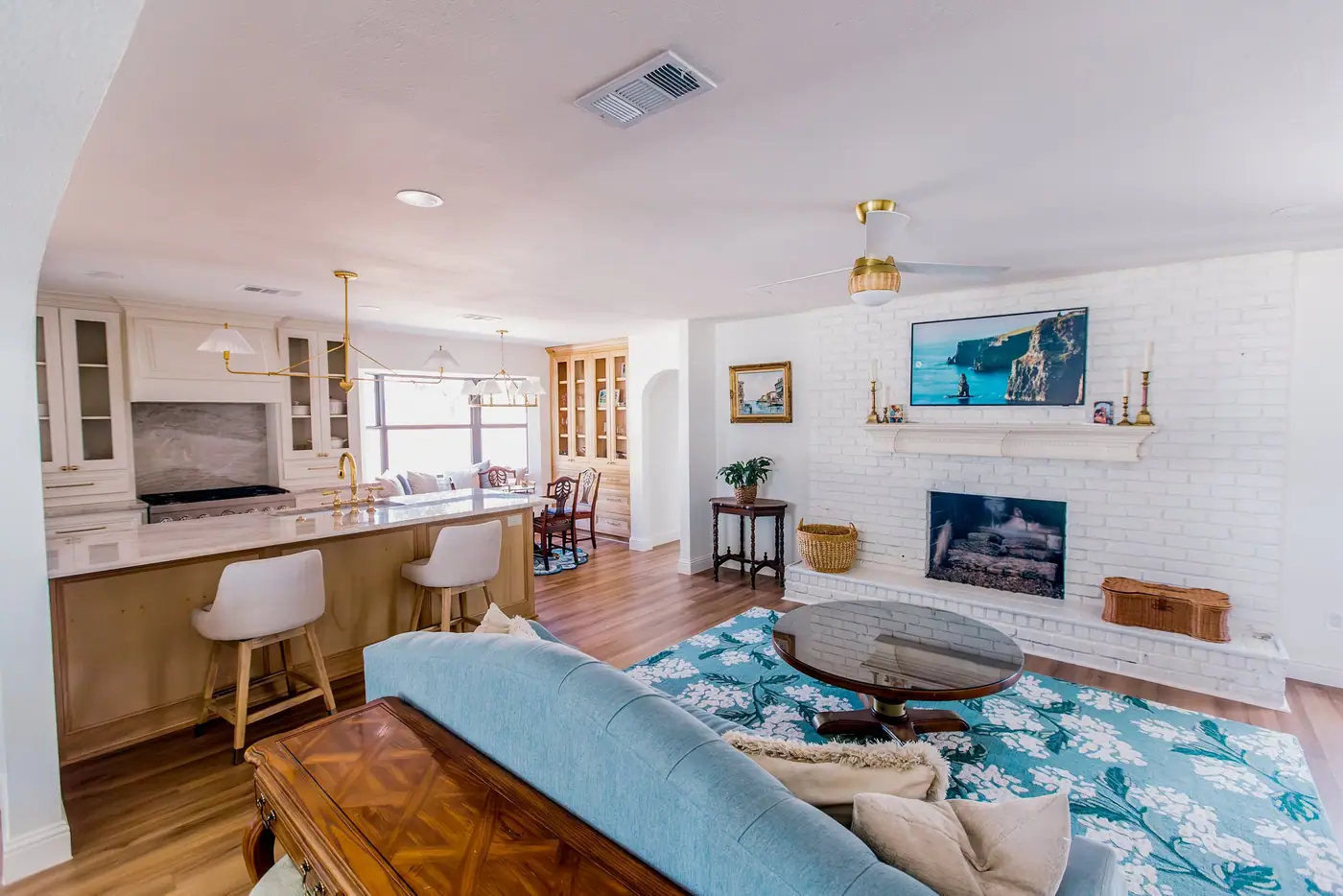
Overton Park
2,967 sq ft house · 14,664 sq ft lot
Inside the guide
What the parcel record says about scraping a house here, the two zoning districts it is split between, and the greenbelt the developer deeded to the city.
Read the Overton Park guide →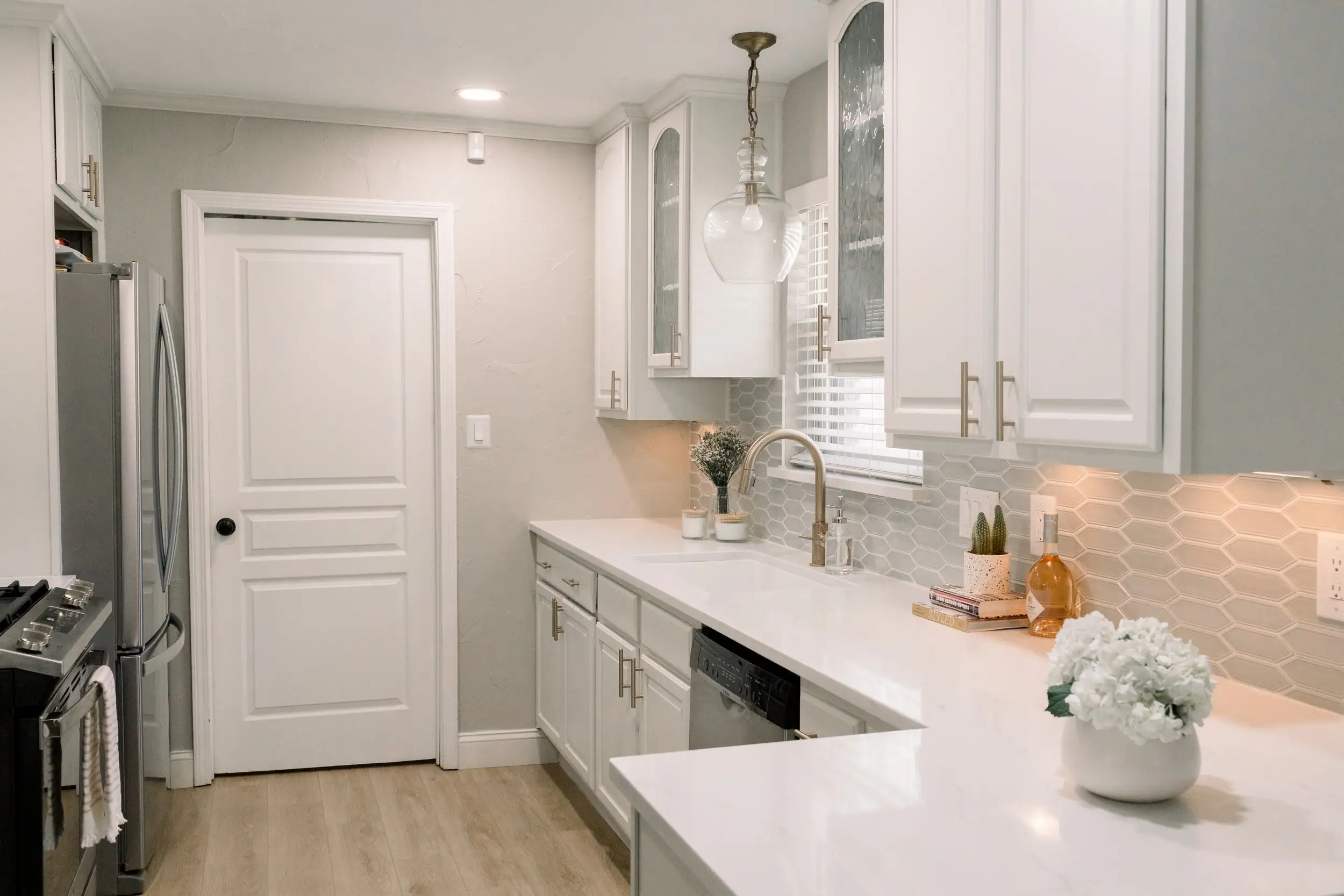
Ridglea Hills
2,351 sq ft house · 15,000 sq ft lot
Inside the guide
Which of the five Ridglea neighborhoods a listing means, how wide the lots run, the hill and the floodplain, and the elementary school inside it, with the state’s ratings.
Read the Ridglea Hills guide →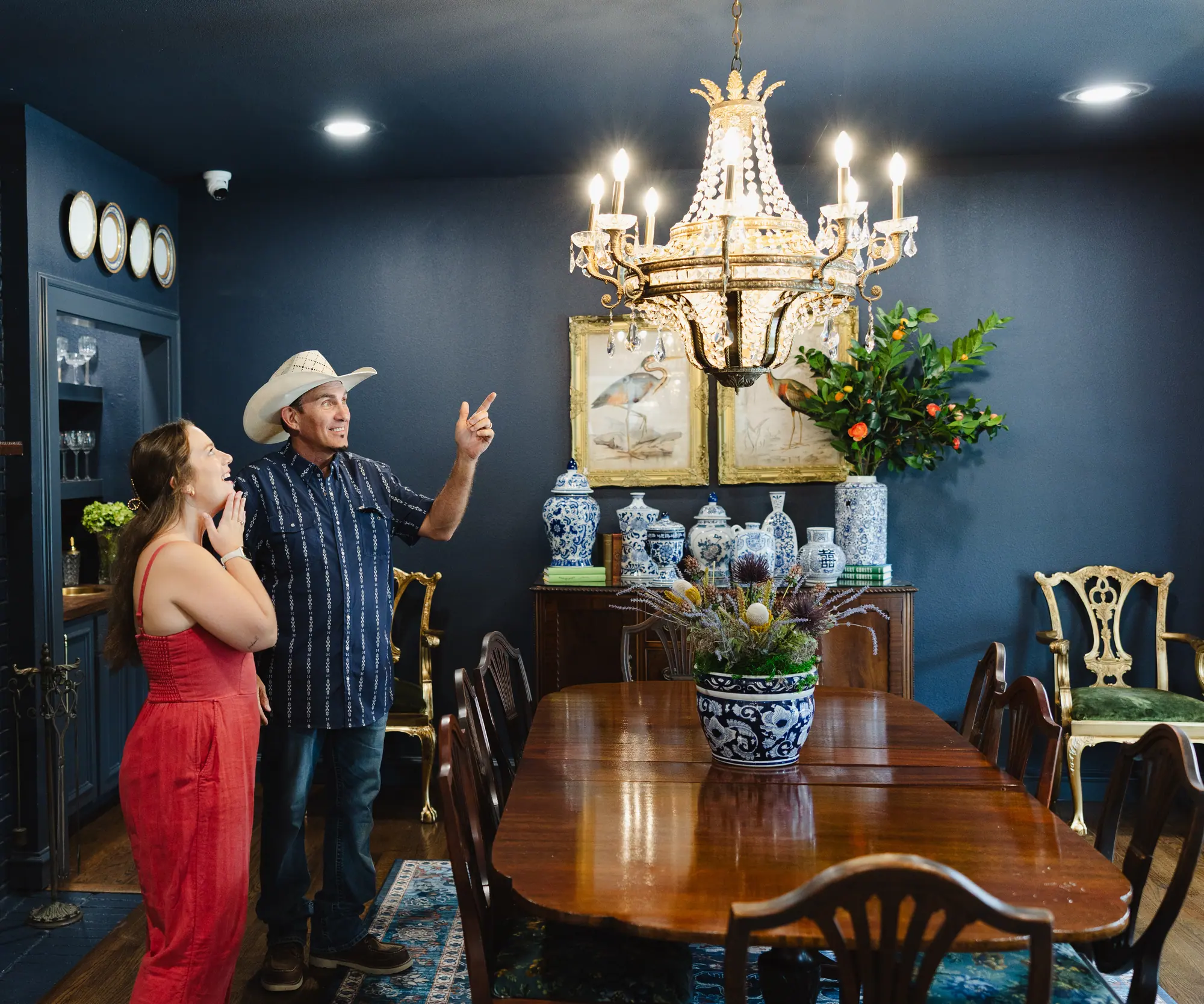
Rivercrest
Inside the guide
The plat on both sides of the Trinity, how the two sides differ in ZIP code, school district, age and lot, and the six neighborhood groups the city registers there.
Read the Rivercrest guide →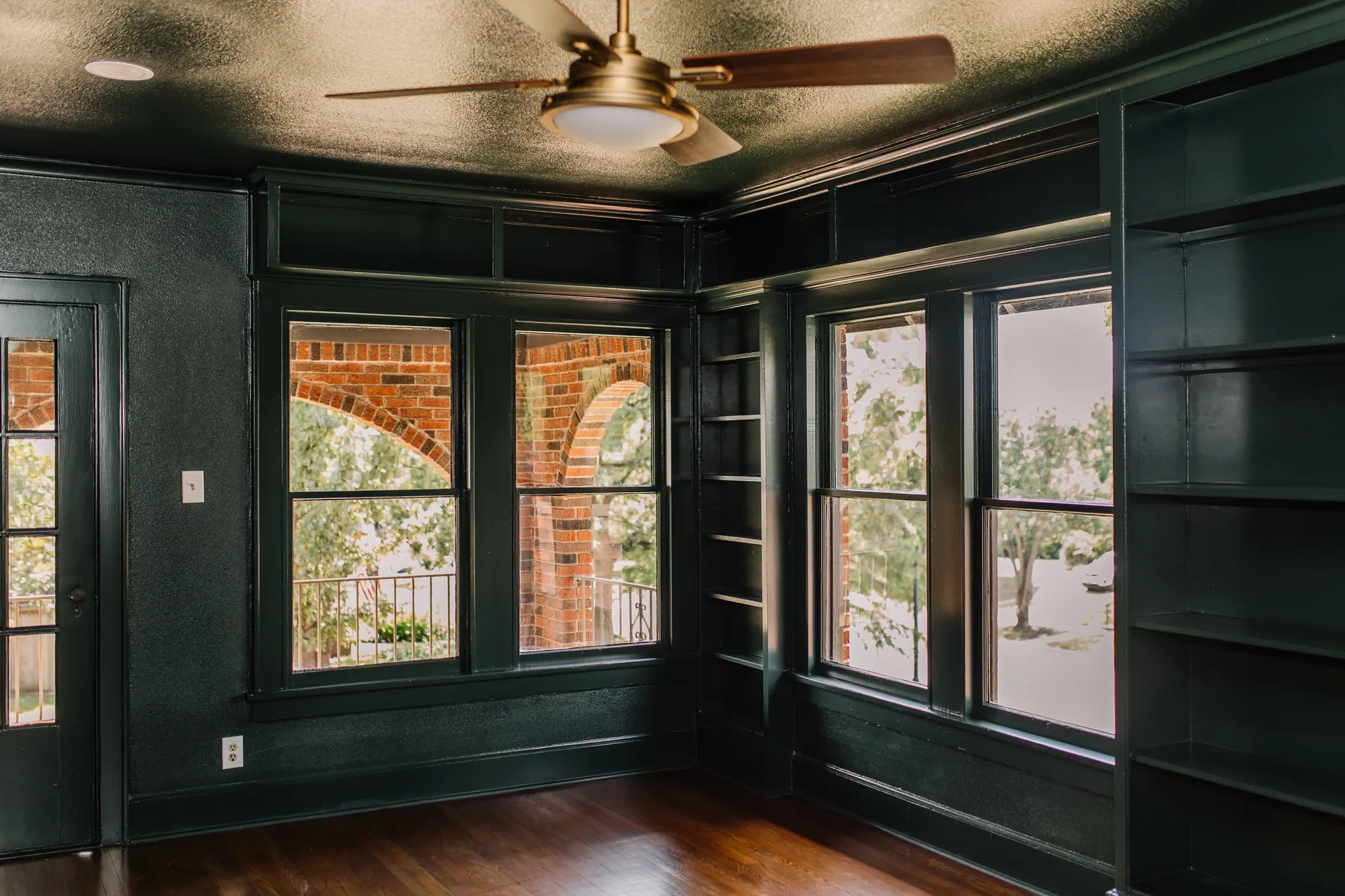
Ryan Place
1,691 sq ft house · 7,500 sq ft lot
Inside the guide
The two building waves (the 1920s and the 1940s), the three schools every house we checked is zoned to, how deep the lots run, and which houses carry a historic overlay beyond Elizabeth Boulevard.
Read the Ryan Place guide →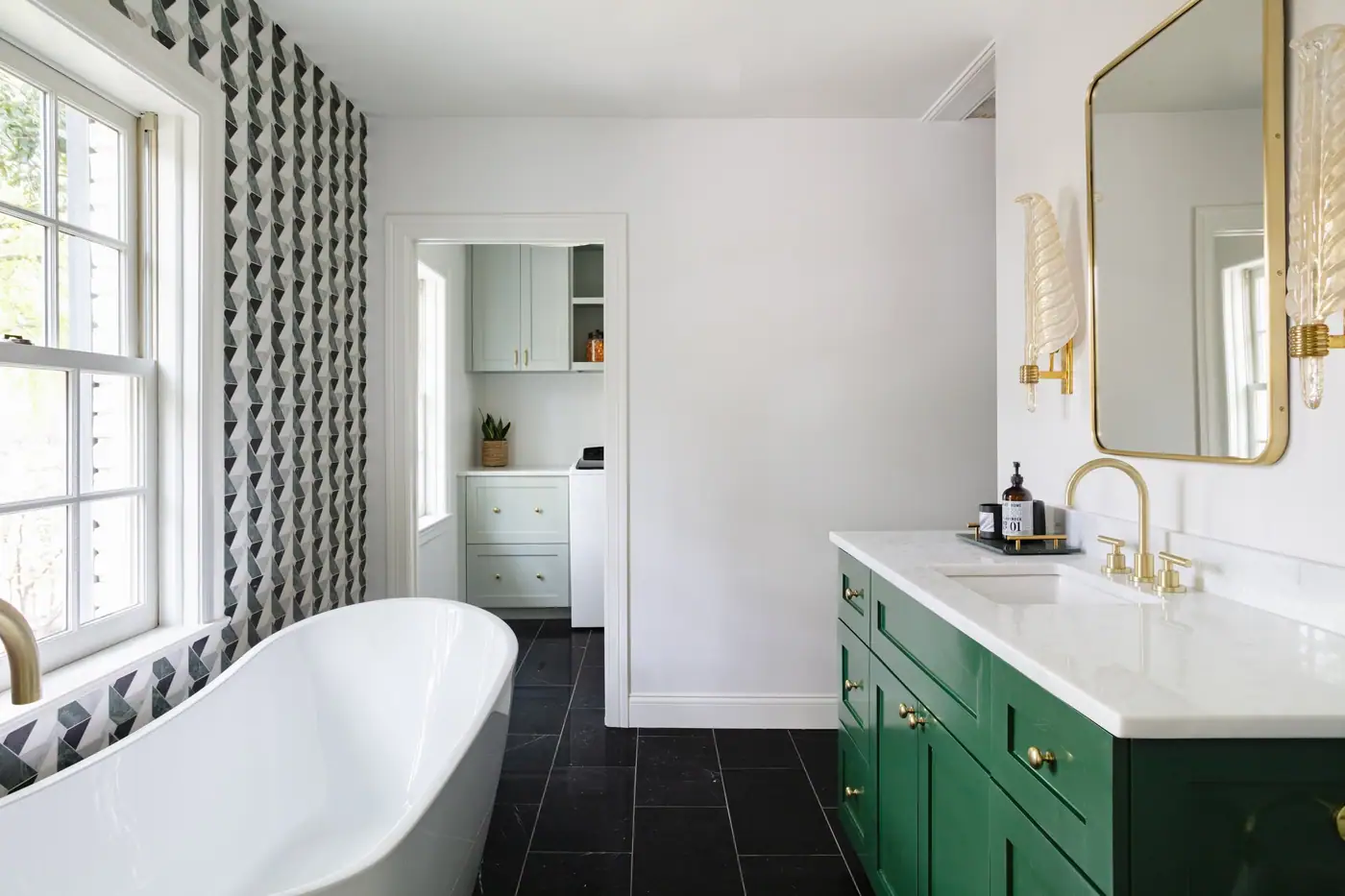
Tanglewood
3,113 sq ft house · 12,420 sq ft lot
Inside the guide
The 2020 school-zone split, the boundary as the city draws it, and the houses we’ve worked on there.
Read the Tanglewood guide →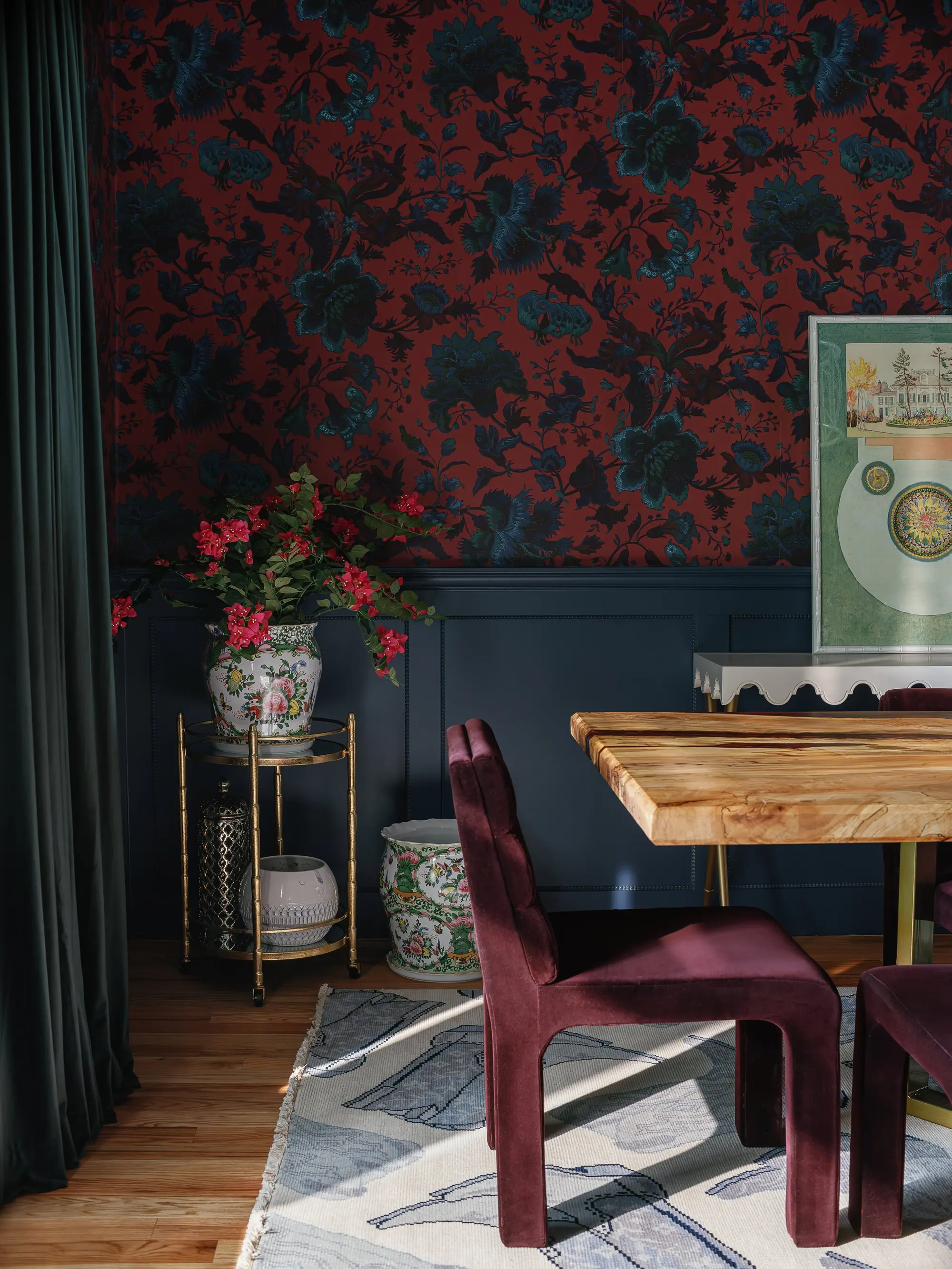
TCU / Westcliff
1,852 sq ft house · 10,950 sq ft lot
Inside the guide
How wide the lots run under its modest 1948 houses, how it compares with the associations nearer campus, what the TCU overlay covers, and which way an addition can go.
Read the TCU / Westcliff guide →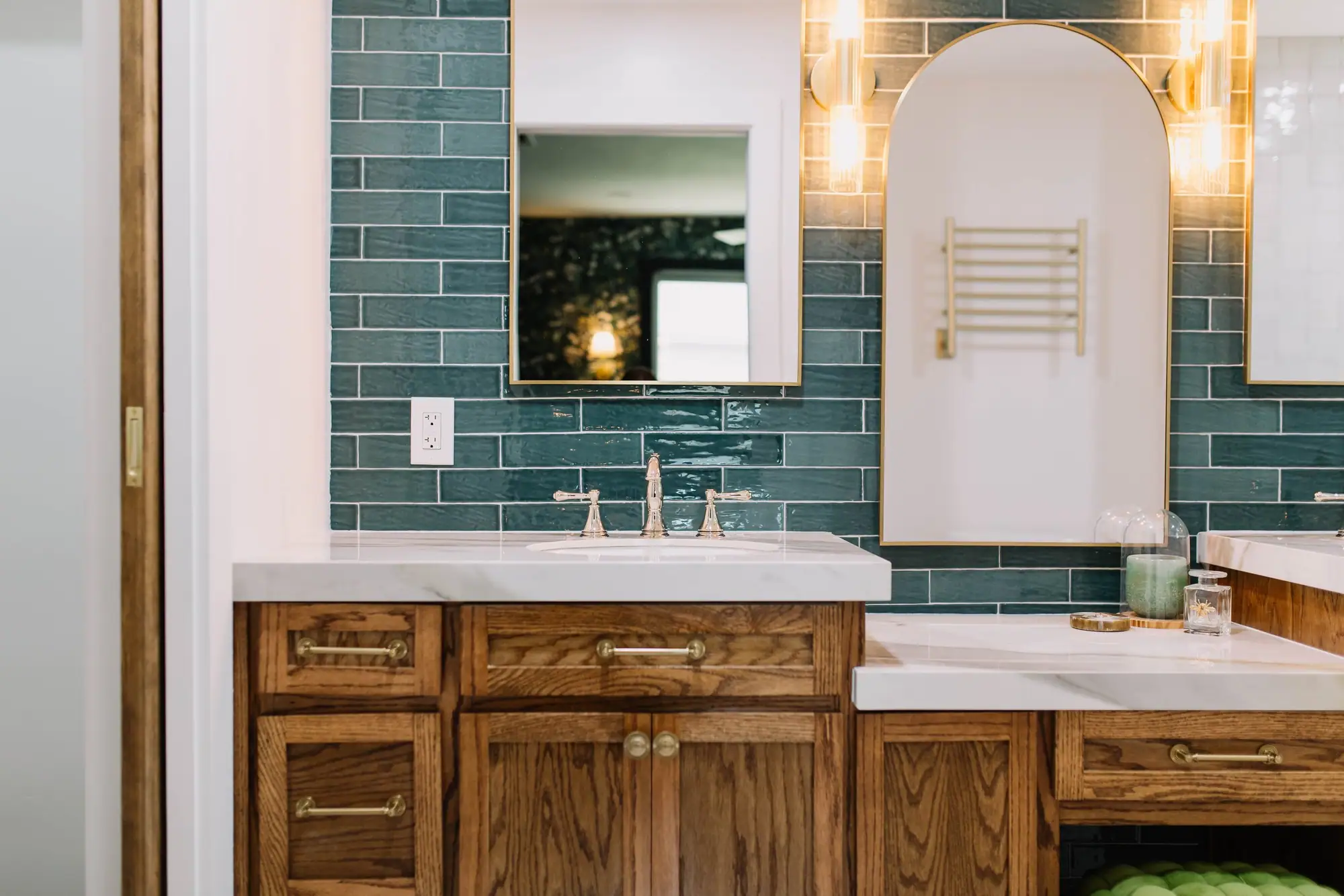
Wedgwood
1,864 sq ft house · 10,725 sq ft lot
Inside the guide
The six lines the city draws for Wedgwood and when each was built, the one part zoned A-10, what the historic district nomination would and would not change, and the schools by address.
Read the Wedgwood guide →Every neighborhood we cover
Where we buy, sell and build, by part of town.
West side
-
Arlington Heights Guide
-
Crestline Guide
-
Monticello
-
Ridglea Hills Guide
-
Ridglea North
-
Rivercrest Guide
Southwest
TCU and Tanglewood
Far north
-
Eagle Mountain Lake
Near Southside
West of the city, in Parker County
-
Aledo
Best Home Builder & Remodeler
Fort Worth MagazineFort Worth Chamber Small Business of the Year4.7 stars from 91 Google reviews as of September 2026
Questions buyers ask
Choosing a Fort Worth neighborhood.
What are the best neighborhoods in Fort Worth?
It depends on the house you want, which is why this page does not rank them. It measures them instead: the median house and the median lot in each neighborhood, from Tarrant Appraisal District parcel records. If you want room for a pool, a garage apartment or an addition later, read the lot column first. If you want less house to keep up, read the house column. On this page the median lot runs from 6,250 sq ft in Arlington Heights to 18,215 sq ft in Mira Vista, and the median house from 1,508 sq ft in Arlington Heights to 4,703 sq ft in Mira Vista. An agent can take you from those numbers to the streets and the listings.
Where do these house and lot figures come from?
From Tarrant Appraisal District parcel records, most of them read through the City of Fort Worth's GIS and measured between August 26, 2026 and October 18, 2026. Each figure is a median across the single-family parcels inside that neighborhood's boundary, so half the houses are larger and half are smaller. It describes the neighborhood's housing stock, not any one house. For a specific address, the appraisal district's own record is the number to check before you write an offer.
How do I find out which school a house is zoned to?
Ask the school district about that exact address. Fort Worth ISD publishes a School Finder that answers it, and it is worth checking every time, because attendance zones move when a new campus opens. Some addresses with a Fort Worth mailing address are served by a different district altogether. For how a campus is rated, the Texas Education Agency publishes an accountability rating for each one. Check those two sources, not the listing description.
Why is Aledo missing from the house and lot comparison?
Because it is measured by a different appraisal district. Parker County's bulk parcel records carry lot size but no living area, and they measure lots inside and outside a city separately. Drawing those figures to the same scale as the Tarrant County ones would compare two different measurements as if they were one, so Aledo sits in the list of neighborhoods below instead, with its own pages.
Can I find out what it would cost to change a house before I buy it?
Yes. That is part of buying through us. Our agents represent buyers and sellers; the building is done by 6th Ave Homes’ construction and design teams, under the same roof. When a house you like needs work, one of those builders can walk it with you and your agent before you write an offer, so you know what the kitchen or the addition would take, and roughly what it would cost, before you are committed to the house.
What does “not measured yet” mean on the comparison?
It means we have not published that figure for the neighborhood yet, so there is no bar to draw. Every neighborhood we cover is still in the list further down the page, with its guide or its service pages where they exist.

Before you make an offer
See the houses before you choose the neighborhood.
In the end you are buying one house, and many good houses need work. Our agents help you buy it. Our construction and design teams, in the same company, can remodel it.
So tell us the part of town and the house you have in mind. An agent walks it with you and, when the house needs work, brings one of our builders to see it. You find out what the change would take before you are committed.
Or call or text (817) 631-9803
Sources House and lot figures: Tarrant Appraisal District parcels, most read through the City of Fort Worth GIS. School zone for a specific address: Fort Worth ISD School Finder. Campus ratings: Texas Education Agency.