
Soil and foundations · Fort Worth
Building on clay soil in Fort Worth
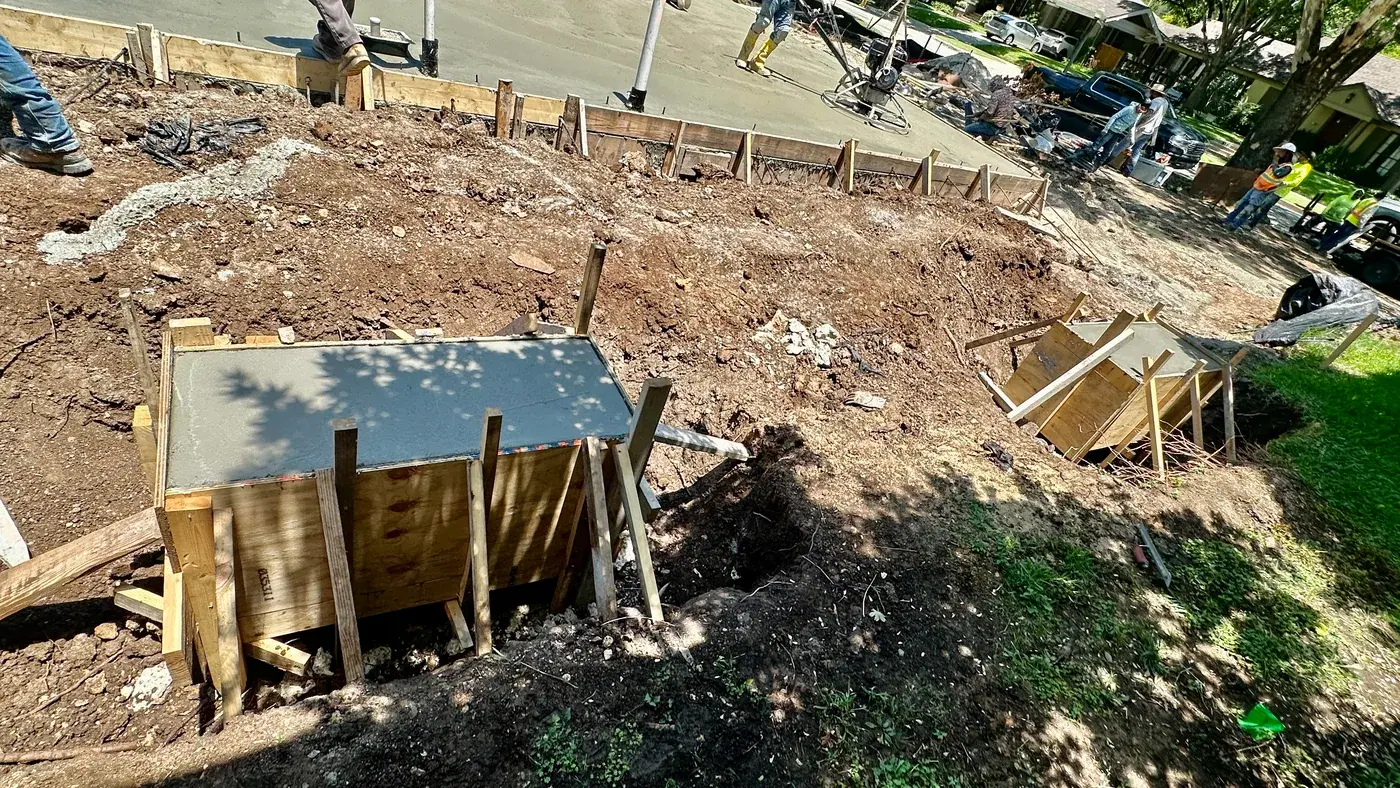
Some Fort Worth lots sit on deep clay that swells when it’s wet and shrinks when it dries. Others sit on limestone about a foot down. Which one is under yours changes what building on it takes.
Or call or text (817) 631-9803
Soil readings from USDA records, queried September 2026.
What’s under Fort Worth
Expansive clay soil in Fort Worth, and the rock beside it
Expansive clay swells when it gets wet and shrinks when it dries out, and a slab built on it moves with it. Parts of Fort Worth sit on it. Others are neighborhoods where limestone sits so close to the surface that the problem is rock in the way, not ground that moves.
Deep clay that moves
40–60% clay
The soil the USDA calls Sanger, under parts of the TCU area and Ryan Place, is clay from top to bottom, with no rock within reach. When it dries out, it cracks 1 to 3 inches wide and more than 20 inches deep. Water runs in fast through those cracks and soaks in very slowly once the clay is wet again.
For soil that shrinks and swells this much, the USDA’s own guidance is short:
“Special design commonly is needed.”
Limestone close to the surface
9–20 in to rock
The soil the USDA calls Aledo is a thin layer over limestone, 9 to 20 inches down. It shrinks and swells far less than deep clay. What it changes is the digging: footings, piers, plumbing trenches and pool excavations go through rock.
Some ground does both. The soil the USDA records at our points in Overton Park and Ridglea North, called Purves, is a clay that shrinks and swells, sitting on limestone about 14 inches down.
Neighborhood by neighborhood
The soil under 13 Fort Worth neighborhoods
Rock sits about a foot down in some of these neighborhoods and nowhere within reach in others. Here’s what the USDA’s soil records return at one point in each of 13 neighborhoods we’ve written a guide for.
| Neighborhood | USDA soil | Bedrock Soil before rock, 0–36 in | Clay | Shrink-swell | How typical |
|---|---|---|---|---|---|
| Arlington Heights | Aledo | about 12 in | 29% | 2.3% low | The largest share |
| Crestline | Aledo | about 12 in | 29% | 2.3% low | The largest share |
| Mira Vista | Aledo | about 12 in | 29% | 2.3% low | The largest share |
| Monticello | Aledo | about 12 in | 29% | 2.3% low | One part of it |
| Park Hill | Aledo | about 12 in | 29% | 2.3% low | Most of it |
| Ridglea Hills | Aledo | about 12 in | 29% | 2.3% low | The largest share |
| Overton Park | Purves | about 14 in | 46% | 6.5% high | One part of it |
| Ridglea North | Purves | about 14 in | 46% | 6.5% high | Most of it |
| Berkeley Place | Mingo | about 31 in | 39% | 6.0% moderate to high | One part of it |
| Mistletoe Heights | Mingo | about 31 in | 39% | 6.0% moderate to high | The largest share |
| Ryan Place | Sanger | None found | 46% | 7.6% high | Most of it |
| Tanglewood | Frio | None found | 41% | 7.1% high | Most of it |
| TCU / Westcliff | Sanger | None found | 46% | 7.6% high | The largest share |
Shrink-swell is the USDA’s measure of how much a soil changes size between wet and dry. The USDA rates it low under 3 percent, moderate from 3 to 6, high from 6 to 9 and very high above 9. Above 3, it says,
“shrinking and swelling can cause damage to buildings, roads, and other structures.”
Each reading is one point near the middle of the neighborhood, and a neighborhood sits on more than one soil. Use it to know what to expect, not as a test of your lot.
From USDA NRCS Soil Data Access, queried September 24, 2026. “How typical” comes from the same records, queried at a grid of points across each neighborhood the same day.
Permits and engineering
What Fort Worth requires under a new house
Every new house in Fort Worth needs an engineered foundation plan, whatever soil it sits on.
- New houses
- “All new residential permits must have an engineered foundation plan.”
- Additions
- “Additions over 500 square feet, special designs, and post-tensions plans require plans sealed by an engineer.”
State law adds its own line: Texas requires an engineer for some slabs on expansive soil, even where a house’s plans need no engineer otherwise. How Texas law treats house plans
On a house we build, outside licensed engineers do the structural engineering. We coordinate it and get the stamped work into the permit set.
Quoted from the City of Fort Worth’s Submittal Requirements for New Residences and Additions (revised May 26, 2026), read October 6, 2026. State law: Texas Occupations Code § 1001.056, read October 18, 2026.
How it works
How to find out what’s under your lot, and build on it
-
Look up your soil
You can do this yourself, for free. Search your address on the USDA’s Web Soil Survey, mark your lot, and it names the soil mapped there, with its shrink-swell and depth to bedrock. The map is drawn for areas, not single lots, so it tells you what to expect.
-
Walk the lot with us
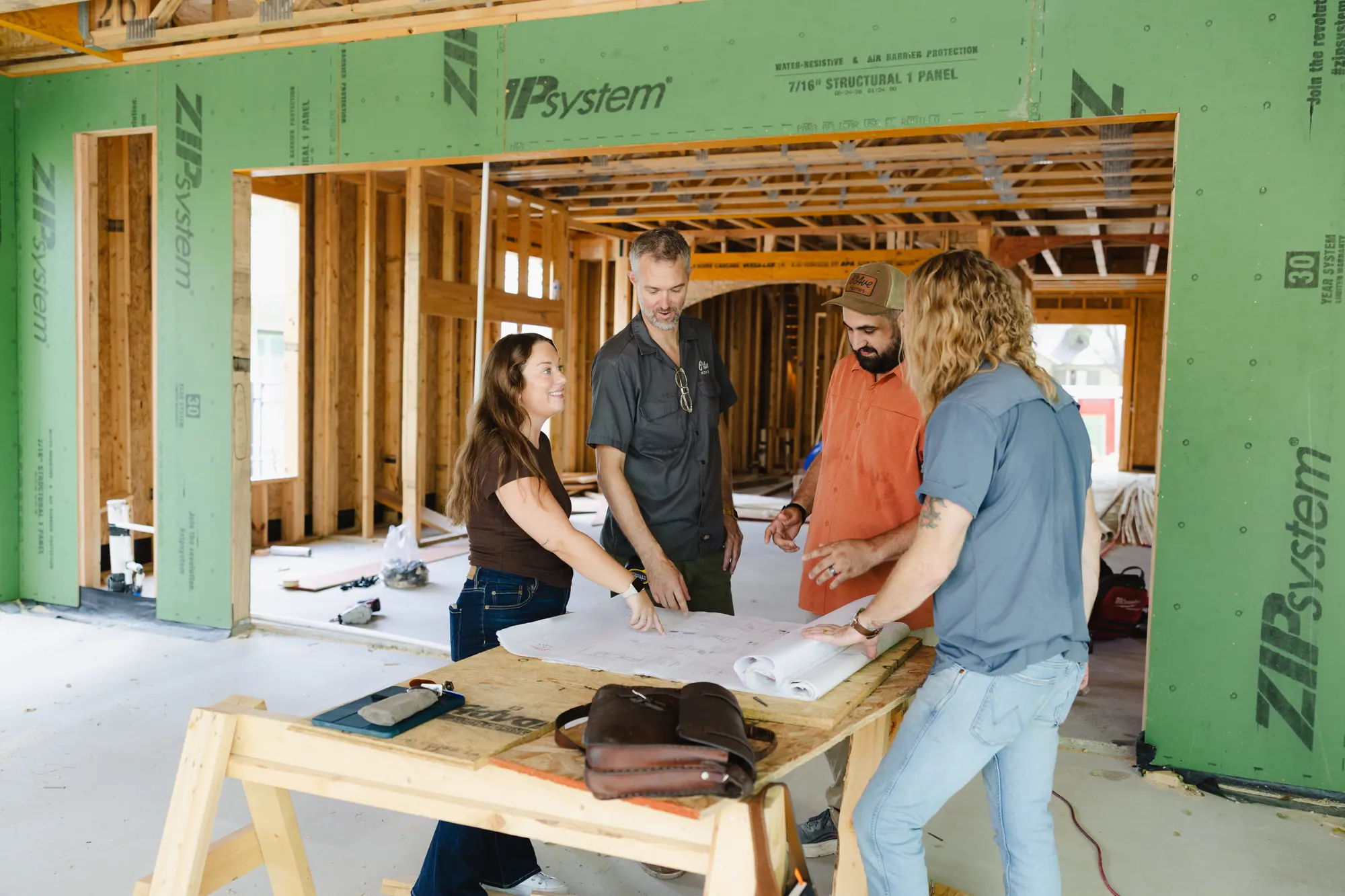
We walk the lot with you, talk through how you actually live, and put numbers around what the site and the city will allow before anybody falls in love with a plan.
-
Build on an engineered foundation
A licensed engineer designs the foundation, and we build the house on it.
Already living in the house? How to water a foundation through a dry summer
What we build
A new house, an addition or a garage apartment on Fort Worth ground
-
Custom homes
Lot and feasibility
The cheapest time to walk away. We find out whether the lot fits the house you want and whether the trees can stay.
Foundation and framing
You have few decisions to make here. You walk through the frame, and it’s the last easy chance to move a wall.
-
Home additions
Building out means paying for a new foundation and roof. Building up means structural work on the house you already have.
Whether the foundation extends, whether a bearing wall is in the way, and whether the framing can take a floor above it are answers that come from opening things up, not from the curb.
-
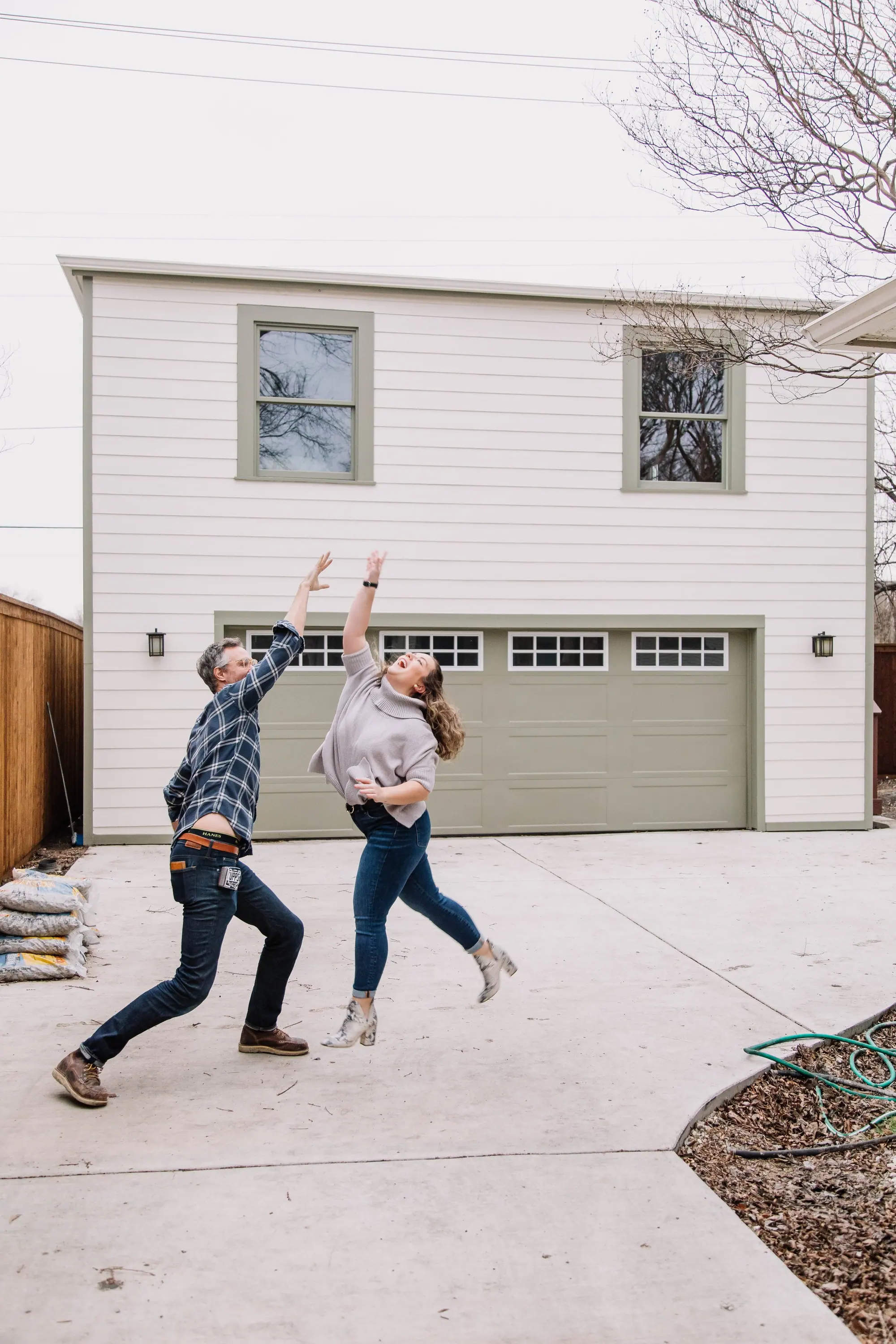
Garage apartments
A slab or pier-and-beam for a new structure is one of the biggest items on a ground-up build.
A garage apartment is a separate structure, with its own foundation, its own utility runs and its own permit.
Is all of Fort Worth on expansive clay?
No. Some neighborhoods sit on deep clay that shrinks and swells, and some sit on limestone about a foot down. At the 13 neighborhood points in the table above, the USDA records return high shrink-swell in five and limestone within about 14 inches in eight, and two have both. Your lot can differ from its neighborhood, so look it up on the USDA’s Web Soil Survey.
Does Fort Worth require an engineered foundation for a new house?
Yes. The City’s requirements for new houses and additions say: “All new residential permits must have an engineered foundation plan.” Additions over 500 square feet, special designs and post-tension work also need plans sealed by an engineer.
Is building on limestone easier than building on clay?
The ground moves less, and the digging costs more. Limestone near the surface shrinks and swells far less than deep clay, but anything you dig has to get through rock. The USDA notes the limestone under the Aledo soil can usually be dug with a backhoe.
How deep is the limestone in Fort Worth?
It depends on the neighborhood. At the points in the table above, USDA records put bedrock about 12 inches down in six neighborhoods, about 14 inches in two and about 31 inches in two, and record none within reach in three.
Who designs the foundation when you build?
A licensed engineer. Outside licensed engineers do the structural engineering on our projects. We coordinate it and get the stamped work into the permit set, so you have one path through the City.
How do I protect the foundation of a house I already own?
That’s a different job from building. Texas A&M AgriLife’s guidance is to keep the soil around the foundation evenly moist, and our guide to watering a foundation through a Texas summer covers the routine, drainage and Fort Worth’s watering rules.
Before you build
Know your ground before you draw the house
The same house costs different amounts on two different lots, because the site work is different. Walk the lot with a designer and a builder, and start with an honest estimate.
Or call or text (817) 631-9803